


A Rajasthan photography holiday offers an opportunity to explore one of India's most visually diverse regions through a camera lens. From intricate architectural details and colourful markets to open rural landscapes, traditional crafts, historic streets, and wildlife habitats, the state presents a wide range of subjects for photographers with different interests and skill levels.
For architectural photographers, Rajasthan's forts, palaces, havelis, courtyards, arches, and carved stonework provide opportunities to study geometry, texture, light, and perspective. Landscape photographers can explore the changing colours of the countryside, dry terrain, agricultural fields, and desert environments. Travel and documentary photographers may be drawn to regional markets, traditional crafts, everyday life, and cultural events, while wildlife enthusiasts can build their itineraries around protected areas and responsible safari experiences.
The key to a successful photography holiday is not simply visiting as many places as possible. It is planning enough time at each location to observe how light changes, identify compelling compositions, and understand the environment being photographed.
A well-designed itinerary can combine major cultural destinations with quieter stops and time to enjoy the surroundings. For travellers exploring the Jaipur–Dausa region and routes towards Ranthambore, Talabgaon Castle Heritage Resort can be considered as a heritage-oriented base within a broader Rajasthan photography journey.
This guide explains how to plan a Rajasthan photography holiday, choose suitable subjects and destinations, prepare your equipment, and create an itinerary that balances photographic opportunities with a rewarding travel experience.
Why Rajasthan Is an Excellent Destination for Photography
Rajasthan offers a combination of architectural variety, distinctive colours, cultural traditions, and landscapes that change significantly from one region to another.

Its photographic appeal comes from the relationship between these elements. A carved window can become more expressive when afternoon light reveals its texture. A rural road may create a strong composition against an open landscape. A traditional market can offer a layered scene of colour, movement, products, and human interaction.
Heritage Architecture and Geometric Compositions
Rajasthan's historic buildings offer opportunities to photograph symmetry, repeating patterns, arches, courtyards, gateways, balconies, and decorative stonework.
Architectural subjects are not limited to wide photographs of entire buildings. Close-up compositions can reveal the details that distinguish one structure from another, including carved surfaces, weathered materials, decorative motifs, and the interaction between light and shadow.
Photographers can experiment with:
- Wide-angle compositions that show the relationship between buildings and their surroundings.
- Symmetrical framing around doorways, corridors, and courtyards.
- Telephoto compositions that isolate architectural details.
- Close-up images of carvings, textures, and materials.
- Black-and-white photography that emphasises shape, contrast, and pattern.
Always check photography rules at individual monuments, religious sites, and private properties before setting up equipment.
Landscapes with Changing Light and Texture
Rajasthan's landscapes vary across the state. Desert regions, agricultural plains, rocky terrain, hills, lakes, and forested areas provide different opportunities for landscape photography.
The appeal often lies in subtle changes rather than dramatic scenery alone. The direction of sunlight, the shape of a road, the presence of trees, the texture of dry earth, and the contrast between open land and built structures can all influence a composition.
A photography holiday gives you time to revisit a viewpoint or wait for better conditions rather than photographing every location during a brief stop.
Colours, Crafts, and Everyday Life
Traditional textiles, painted surfaces, jewellery, pottery, market displays, and regional clothing provide a rich palette for travel photography.
However, colourful scenes should not be treated as a reason to photograph people without permission. Markets and neighbourhoods are working environments, and respectful interaction matters as much as visual quality.
Where appropriate, ask before taking close-up portraits or photographing artisans at work. A short conversation can provide context and create a more considerate photographic experience.
Wildlife and Natural Environments
Rajasthan is also a destination for wildlife photography. Protected areas such as Ranthambore National Park attract visitors interested in tigers, birds, and other wildlife.
Wildlife photography requires a different approach from architectural or street photography. Subjects cannot be directed, sightings are unpredictable, and the photographer must follow park rules and prioritise animal welfare.
A successful wildlife visit depends on patience, realistic expectations, suitable equipment, and responsible conduct rather than a guarantee of a particular sighting.
Choose Your Photography Style Before Planning the Route
A photography holiday becomes easier to organise when you identify the subjects you most want to photograph.
Rajasthan can support several photography styles, but attempting to cover every category in a short trip may result in rushed visits and limited time at each location.
Heritage and Architectural Photography
This style focuses on buildings, historic streets, architectural details, interiors where photography is permitted, and the relationship between structures and their surroundings.
Useful subjects include:
- Fort entrances and gateways.
- Courtyards and arcades.
- Jharokhas and decorative windows.
- Carved stone and patterned surfaces.
- Domes, chhatris, and rooflines.
- Historic streets and building façades.
- Heritage-inspired resort surroundings.
Planning tip: Research the photography rules and opening hours of each location. Arrive early when possible, and allow time to work with perspective rather than relying entirely on wide-angle shots.
Landscape Photography
Landscape photographers may prioritise open terrain, rural roads, fields, rocky formations, desert environments, and changing weather.
Look for foreground elements that add depth, such as grasses, stones, trees, or paths. Consider how the scene changes between sunrise, midday, and late afternoon.
A location that looks ordinary under harsh overhead light may become much more interesting when the light is softer and shadows create visual structure.
Planning tip: Keep the itinerary flexible enough to respond to weather and light. Avoid committing every available hour to long-distance transfers.
Travel and Documentary Photography
Travel photography often combines architecture, food, crafts, transport, public spaces, and everyday life.
The aim is to build a visual story rather than collect isolated images. A series might show a market opening in the morning, a craftsperson preparing materials, the details of finished products, and the surrounding streets.
Planning tip: Spend time observing before taking photographs. Respect privacy and seek consent when making identifiable portraits or documenting private activities.
Wildlife Photography
Wildlife photographers may want to plan around Ranthambore National Park or other suitable wildlife destinations, depending on the itinerary.
Wildlife opportunities are affected by animal behaviour, habitat, season, weather, and permitted safari routes. No sighting can be guaranteed.
Planning tip: Research current park regulations, booking procedures, permitted equipment, and safari availability before confirming accommodation and transport.
Portrait and Cultural Photography
Portrait photography can explore clothing, expressions, crafts, work, and personal stories. It requires additional attention to consent and representation.
Avoid treating people as props or assuming that traditional clothing indicates a person wants to be photographed. Explain your intention, ask permission, and respect a refusal.
Planning tip: If you hope to make a series of portraits, consider arranging a session with willing participants rather than relying on spontaneous close-up photographs.
Best Places to Include in a Rajasthan Photography Holiday
Rajasthan is large, so the most practical route depends on your photographic interests, arrival point, available days, and transport.
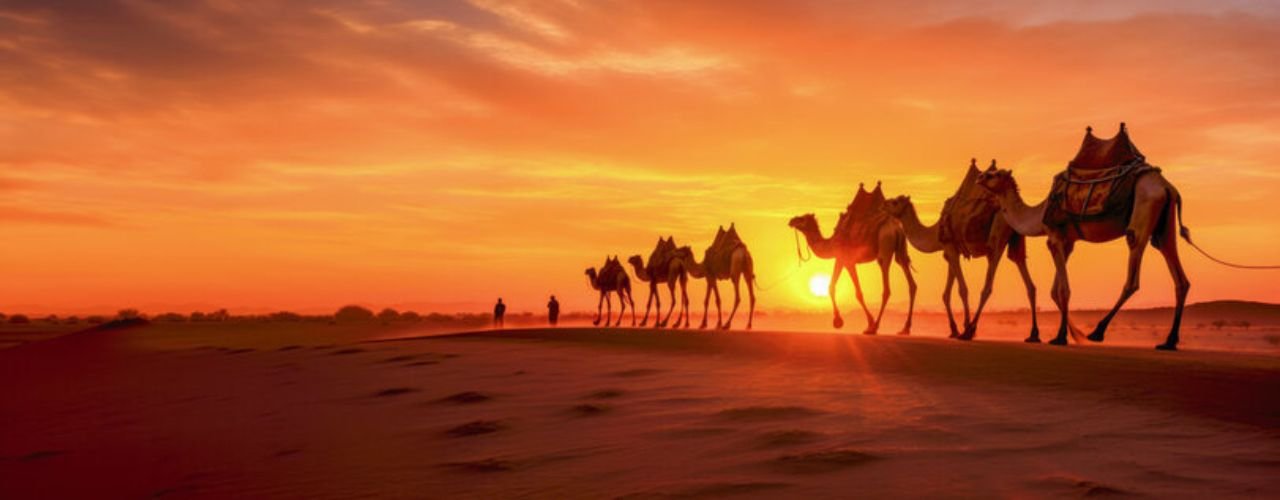
The following destinations offer different photographic possibilities. They should be treated as planning options rather than a checklist that every visitor must complete.
Jaipur: Architecture, Streets, and Colour
Jaipur is a useful starting point for photographers interested in historic architecture, urban scenes, traditional crafts, and markets.
The city's architectural character offers opportunities to photograph façades, gateways, decorative windows, courtyards, and streetscapes. Markets can provide colourful compositions involving textiles, jewellery, food, and everyday commerce.
Photographers should distinguish between public spaces and restricted areas. Some buildings have specific rules regarding tripods, commercial photography, drones, and interior access.
Photography opportunities to explore:
- Historic architecture and façades.
- Geometric compositions and decorative details.
- Markets and craft displays.
- Street scenes and changing urban light.
- Cultural details that can be photographed respectfully.
Dausa Region: Rural Landscapes and a Different Travel Pace
The Dausa region can be relevant to photographers who want to explore the wider Jaipur area while including rural landscapes and a heritage-oriented stay.
Photographic subjects may include the countryside, roads, agricultural landscapes, regional architecture, and the relationship between built spaces and the surrounding environment. Specific subjects depend on the route, season, and access permissions.
Talabgaon Castle Heritage Resort, located in Rajasthan's Dausa region, can be considered as an accommodation option for travellers planning to explore this part of the state.
For photographers, a stay can also provide time to work with the property's surroundings, where photography is permitted. Confirm access rules and obtain permission before photographing private areas, staff, or other guests.
Jodhpur: Blue-Toned Streets and Monumental Architecture
Jodhpur is known for the blue-painted buildings associated with parts of its old city and for its prominent fort architecture.
The visual contrast between urban streets, painted façades, stone surfaces, and large architectural structures can appeal to architectural and documentary photographers.
As in any busy destination, timing matters. Early visits may provide different light and street activity from midday or evening, but conditions vary by season and location.
Photography opportunities to explore:
- Layered city views.
- Painted façades and narrow streets.
- Monumental stone architecture.
- Doors, windows, and surface textures.
- Street scenes, photographed respectfully.
Udaipur: Lakes, Palaces, and Reflections
Udaipur offers a different visual character through its lakes, waterfront buildings, historic architecture, and surrounding hills.
Landscape and architectural photographers may be interested in reflections, layered rooflines, changing skies, and the contrast between water and built structures.
Waterfront conditions, boat access, weather, and the position of the sun can influence the images available at a particular time.
Photography opportunities to explore:
- Waterfront architecture.
- Reflections and changing light.
- City views from permitted viewpoints.
- Decorative architectural details.
- Landscapes around the lakes and hills.
Jaisalmer: Desert Landscapes and Golden Stone
Jaisalmer is associated with desert landscapes, golden sandstone architecture, historic streets, and traditional buildings.
The colour and texture of sandstone can change with the angle of sunlight. Wide landscape compositions may benefit from foreground detail, while tighter frames can emphasise the material and craftsmanship of buildings.
Desert photography requires preparation for heat, dust, wind, and changing light. Travellers should use responsible operators and avoid disturbing wildlife or damaging fragile environments.
Photography opportunities to explore:
- Sandstone façades and carved details.
- Fort architecture and historic streets.
- Desert textures and open horizons.
- Patterns created by wind and terrain.
- Traditional architecture within the landscape.
Ranthambore: Wildlife and Natural Storytelling
Ranthambore National Park is a recognised destination for wildlife photography, particularly for travellers hoping to photograph tigers and other animals.
However, wildlife photography should not be planned around the assumption that a tiger will appear. The park is a living ecosystem, and sightings depend on multiple natural factors.
A more complete wildlife photography story may include landscapes, birds, vegetation, tracks, and the broader habitat, where photography is permitted.
Photography opportunities to explore:
- Wildlife observed during authorised safaris.
- Birds and other animals.
- Forest and dry-landscape textures.
- Natural light filtering through vegetation.
- Habitat-focused compositions.
Check current safari rules, booking requirements, and equipment restrictions before travel.
Heritage Photography: How to Photograph Rajasthan's Architecture
Architectural photography is one of the strongest reasons to plan a dedicated photography trip to Rajasthan. The state's buildings offer variety in scale, detail, materials, and design.

A considered approach can help photographers move beyond standard postcard compositions.
Start with the Building's Overall Form
Begin by understanding the structure. Observe its proportions, main entrance, roofline, symmetry, and relationship with neighbouring buildings.
A wide photograph can establish the setting, while closer compositions can reveal the details that make the structure distinctive.
Avoid assuming that the widest lens will always produce the best image. Wide-angle lenses can exaggerate perspective, particularly when used close to tall buildings.
Look for Repeating Patterns
Arches, columns, windows, railings, and decorative screens can create strong visual rhythms.
Try photographing repeating features from different angles. A straight-on composition may emphasise symmetry, while an oblique angle can create depth.
A telephoto lens can help isolate patterns without including distracting surroundings.
Use Light to Reveal Texture
Stone carvings, plaster, painted surfaces, and weathered materials respond differently to changing light.
Side lighting can emphasise texture through small shadows, while softer light can preserve detail across a broader surface.
At midday, direct sunlight may create strong contrast. This can work for graphic compositions, but it may be less suitable when you want to capture subtle detail across the entire façade.
Include People Carefully for Scale
Where photography is permitted, a person in the frame can help communicate the scale of a building.
However, do not photograph identifiable people without appropriate consideration and consent. At busy public sites, be especially careful when photographing children or visitors in sensitive settings.
Check Permissions Before Using Equipment
Tripods, flash, commercial photography, and other equipment may be restricted at particular monuments, museums, religious sites, or private properties.
Drone use is subject to applicable aviation rules and location-specific restrictions. Never assume that a drone can be flown simply because a location is outdoors.
Research the rules before arrival to avoid losing time or disrupting other visitors.
Landscape Photography in Rajasthan: Finding Depth, Colour, and Atmosphere
Rajasthan's landscapes can be visually subtle. Some areas feature open horizons and dry terrain, while others include agricultural land, hills, forests, lakes, or built structures within a rural setting.

Landscape photography often depends on identifying a strong composition before the light becomes ideal.
Use Foreground Elements to Create Depth
A photograph of a broad landscape may feel flat when there is nothing to connect the foreground with the background.
Look for paths, rocks, plants, field boundaries, trees, or other natural elements that can guide the viewer's eye into the scene.
Move carefully and avoid damaging crops, vegetation, or fragile terrain while searching for a composition.
Work with Layers
A scene may contain several visual layers: a foreground path, a middle-ground group of trees or buildings, and a distant horizon.
Arranging these elements within the frame can help communicate the scale and character of the landscape.
A longer focal length can also compress layers, creating a different visual effect from a wide-angle photograph.
Pay Attention to Weather
Clouds, haze, dust, and changing atmospheric conditions can affect contrast, colour, and visibility.
Rather than treating every change in weather as a problem, consider how it influences the scene. Soft cloud cover may be useful for some subjects, while clear conditions can help create stronger shadows and more defined forms.
Protect equipment from dust and sudden weather changes, and avoid unsafe locations during storms or poor visibility.
Photograph Landscapes with a Sense of Place
A landscape photograph becomes more informative when it communicates something specific about the location.
A rural road leading towards a settlement, a building surrounded by open land, or a seasonal agricultural scene may tell a stronger story than an isolated view of the horizon.
Whenever possible, learn about the landscape and the people who use it. This context can help you choose more meaningful compositions.
Golden Hour and Blue Hour: Planning Around Natural Light
The quality of light can have a greater influence on a photograph than the choice of camera.
For a Rajasthan photography holiday, plan your days around the subjects you want to photograph and the way light changes throughout the day.
Golden Hour
Golden hour refers broadly to the period near sunrise and sunset when sunlight can appear warmer and more directional.
It can be useful for:
- Illuminating sandstone and textured surfaces.
- Photographing rural landscapes.
- Creating long shadows.
- Capturing outdoor architecture.
- Adding warmth to environmental portraits, with consent.
The exact timing changes with the season and location. Check local sunrise and sunset times before planning a shoot.
Blue Hour
Blue hour refers to the period around twilight when the sky may take on deeper blue tones while some artificial lights are visible.
This can be useful for photographing illuminated architecture, urban scenes, and certain waterfront views.
A tripod may help in low light, but confirm whether tripods are permitted at your chosen location. If not, consider stabilisation techniques or a higher ISO.
Midday Light
Midday is not automatically unsuitable for photography. Strong overhead light can create bold contrasts, graphic shadows, and a sense of harshness that may suit particular subjects.
It can also be a practical time for:
- Indoor museum visits where photography is permitted.
- Reviewing images and backing up files.
- Exploring covered markets.
- Photographing details in shaded areas.
- Resting during hot weather.
Planning around light should improve the trip, not force every activity into a rigid schedule.
Photographing Rajasthan's Culture and Everyday Life
Cultural photography can help tell a more complete story of Rajasthan, but it requires a thoughtful approach to consent, context, and representation.

A strong travel photograph does not need to rely on exaggerated colours, staged expressions, or stereotypical imagery. Everyday life, craft processes, market activity, and small details can communicate a place's character more honestly.
Photograph Markets with Awareness
Markets offer colour, movement, products, and interactions. However, they are also workplaces where people are busy serving customers and managing their businesses.
Before photographing an individual vendor or making a close-up portrait, ask permission. If someone declines, respect the decision.
Avoid blocking walkways or interfering with transactions to create a composition.
Focus on Craftsmanship
Textile printing, pottery, jewellery, and other crafts can offer opportunities to photograph hands, tools, materials, patterns, and finished objects.
Ask the artisan whether photography is allowed and whether particular processes or designs are sensitive. If you are photographing a demonstration, understand whether the setting is a public workshop or a private working space.
Tell a Broader Story
A documentary series can combine portraits, environmental photographs, details, and wider scenes.
For example, a craft-focused sequence might include:
- The exterior of the workshop.
- The tools and materials.
- The artisan at work, with permission.
- Close-ups of the technique.
- Finished products.
- The surrounding market or community context.
This approach can provide a more complete visual narrative than a single close-up image.
Avoid Stereotypes
Rajasthan's cultural life is diverse and contemporary as well as traditional. Do not assume that a person's clothing, occupation, or location represents the whole state.
Include variety in your photographs and provide accurate captions when sharing images publicly.
Wildlife Photography in Rajasthan: Preparation and Expectations
Wildlife photography requires more planning than many other forms of travel photography because the subject is unpredictable and the photographer has limited control over the environment.
Ranthambore may be an important destination for photographers interested in tigers and other wildlife, but sightings are never guaranteed.
Choose Equipment for the Conditions
A telephoto lens is often useful for photographing wildlife from an authorised safari vehicle. The appropriate focal length depends on the permitted viewing distance, animal behaviour, light, and the type of photographs you want to make.
A camera body that performs well in changing light can also be useful, but equipment cannot guarantee a successful sighting.
Learn the Safari Rules
Wildlife areas operate under specific regulations designed to manage visitor access and protect animals and habitats.
Check:
- Booking and permit requirements.
- Permitted safari routes and timings.
- Equipment restrictions.
- Rules about noise and visitor behaviour.
- Any limits on movement or photography.
- Guidance from authorised guides and park staff.
Never pressure a driver or guide to approach an animal in an unsafe or prohibited manner for a photograph.
Photograph More Than the Main Attraction
A wildlife visit can provide opportunities to photograph birds, vegetation, tracks, natural textures, and the wider habitat.
These subjects help tell a fuller ecological story and reduce the pressure to measure the success of the trip by a single animal sighting.
Plan Logistics Before Booking Accommodation
Safari availability and park arrangements may influence where you stay and how you travel.
If you are considering Talabgaon Castle as part of a route towards Ranthambore, contact the property to confirm what arrangements it currently offers. Verify permits, safari bookings, transport, and travel times separately where necessary.
What Camera Equipment Should You Bring to Rajasthan?
The best equipment depends on the type of photography you intend to do. A heritage-focused trip may need a different kit from a wildlife photography holiday.

It is generally better to bring a manageable selection of equipment that you know how to use than to carry too much gear and lose time changing setups.
| Equipment | Useful For | Practical Considerations |
|---|---|---|
| Camera body | General travel, architecture, landscapes, and portraits | Bring a familiar camera and check battery condition |
| Wide-angle lens | Buildings, interiors where permitted, landscapes, and environmental scenes | Watch for distortion near architectural edges |
| Standard zoom | Flexible everyday travel photography | Useful when changing lenses is inconvenient |
| Telephoto lens | Wildlife, distant details, and compressed compositions | Check weight and handling comfort |
| Prime lens | Low-light scenes, portraits, and selective compositions | Choose a focal length suited to your preferred subjects |
| Tripod | Low-light work, blue hour, and controlled compositions | Verify location rules before use |
| Extra batteries | Long days of photography | Carry spares securely and recharge when possible |
| Memory cards | High-volume image capture | Use reliable cards and avoid relying on a single card |
| Cleaning kit | Dust and surface maintenance | Clean equipment carefully in dusty conditions |
| Protective bag | Transport and weather protection | Choose something comfortable for long walking days |
| Power bank or charger | Keeping devices ready | Check charging access during travel |
| Camera rain or dust protection | Unpredictable conditions | Select protection suited to your equipment |
Should You Bring a Drone?
A drone may seem useful for photographing forts, landscapes, and heritage properties from above, but drone operation is subject to Indian aviation regulations and location-specific restrictions.
Many monuments, protected areas, private properties, and sensitive locations may restrict or prohibit drone use. Do not fly a drone without confirming the applicable permissions and rules for the exact location.
Protect Equipment from Dust and Heat
Rajasthan's conditions can be dusty, and some areas become very hot during the day.
Avoid changing lenses in dusty environments when possible. Keep equipment in a closed bag when not in use, and follow the manufacturer's guidance regarding heat exposure and cleaning.
During long outdoor sessions, protect batteries and electronics from excessive heat and direct sunlight.
Smartphone Photography vs Professional Camera Photography
A dedicated camera is not essential for a rewarding Rajasthan photography holiday. Modern smartphones can capture impressive architecture, food, landscapes, and everyday travel scenes when used thoughtfully.
The right choice depends on your objectives, comfort, and experience.
Smartphone Photography
Smartphones are useful for:
- Quick travel photographs.
- Architecture and details in good light.
- Food and market scenes.
- Lightweight travel.
- Sharing images during the trip.
Their limitations may become more apparent in low light, fast-moving wildlife situations, or when you need a long optical reach.
Dedicated Camera Photography
A dedicated camera can offer greater flexibility through interchangeable lenses, manual control, larger sensors, and specialised equipment.
This can be valuable for wildlife, low-light work, large prints, and more controlled architectural photography.
However, a camera is only a tool. Strong composition, careful timing, knowledge of light, and understanding of the subject remain essential.
Choose Based on Your Photography Goals
If your main goal is to document a holiday, a smartphone may be sufficient. If you want to build a detailed architectural portfolio or photograph wildlife, a dedicated camera and suitable lenses may provide more flexibility.
Whichever option you choose, learn the controls before travelling so that you can focus on the scene rather than trying to understand the equipment in the field.
A Seven-Day Rajasthan Photography Holiday Itinerary
A week can provide a useful introduction to Rajasthan's architectural, cultural, landscape, and wildlife photography, although the route should be adapted to travel times and the subjects that matter most to you.
This itinerary is illustrative. It does not guarantee access, lighting conditions, cultural events, wildlife sightings, or specific photographic opportunities.
| Day | Suggested Base or Area | Photography Focus | Planning Notes |
|---|---|---|---|
| Day 1 | Jaipur | Architecture, markets, urban scenes | Allow time to settle in and check site photography rules |
| Day 2 | Jaipur | Architectural details, crafts, cultural scenes | Prioritise a few locations rather than rushing through many |
| Day 3 | Jaipur to Dausa region | Rural landscapes, changing scenery, heritage-oriented surroundings | Confirm transport and accommodation arrangements |
| Day 4 | Dausa region | Heritage setting, outdoor scenes, selected resort experiences | Ask permission before photographing private spaces or guests |
| Day 5 | Route towards Ranthambore | Landscape and travel photography | Check road conditions and plan around any confirmed activities |
| Day 6 | Ranthambore area | Wildlife and natural environments | Secure appropriate safari bookings and follow park regulations |
| Day 7 | Return or onward travel | Selected final photographs and travel scenes | Keep a buffer for transfers and unexpected delays |
How to Adapt the Itinerary
For architecture photographers: Spend more time in Jaipur and other historic destinations, allowing several hours for each major site.
For landscape photographers: Reduce the number of urban stops and allocate flexible periods for weather and light.
For wildlife photographers: Build the itinerary around confirmed safari availability rather than assuming that a safari can be arranged at the last minute.
For cultural photographers: Prioritise markets, workshops, performances, and respectful encounters with local people.
For a relaxed photography holiday: Include fewer destinations and allow time to revisit promising locations at different times of day.
A Three-Day Photography Break Near Jaipur
Not every photography holiday requires a full week. A shorter trip can work well if you choose a limited number of subjects and avoid spending most of the time travelling.
For visitors interested in the Jaipur and Dausa region, a three-day plan can combine urban architecture with a heritage-oriented stay and time for landscape photography.
Day 1: Jaipur's Architectural Details
Begin with a small selection of architectural locations. Focus on geometry, façades, decorative elements, and the way light changes across surfaces.
Allow time to understand access rules and photograph carefully rather than attempting to cover every landmark.
Day 2: Travel to the Dausa Region
Travel towards the Dausa region and settle into your accommodation. Depending on arrival time and available access, consider photographing the surrounding landscape or the property's heritage-oriented setting.
Talabgaon Castle Heritage Resort may be considered as an accommodation option for this part of the journey. Confirm photography permissions and respect the privacy of other guests.
Day 3: Landscape and Outdoor Photography
Use the day for a relaxed combination of outdoor scenes and selected activities, subject to availability.
If you want to photograph a specific activity, discuss it with the property in advance and confirm whether photography is permitted. Certain on-ground activities require advance notice, so allow enough time for arrangements.
This shorter itinerary is best suited to photographers who want a focused regional experience rather than an extensive tour of Rajasthan.
Best Time for a Rajasthan Photography Holiday
The best time depends on your subjects, preferred light, comfort with heat, and willingness to work around seasonal conditions.
October to March: A Popular Period for Travel Photography
The cooler months are generally popular for exploring Rajasthan's cities, architectural attractions, and outdoor destinations.
Photographers may find this period comfortable for longer sightseeing days, although mornings and evenings can be cool in some areas. Tourist sites may also be busier, particularly around holidays and peak travel periods.
April to June: Strong Sunlight and Challenging Heat
Summer can bring intense heat across much of Rajasthan. The light may create strong shadows and high contrast, but outdoor photography can become physically demanding.
If travelling during this period:
- Schedule outdoor sessions for early morning or later in the day.
- Carry sufficient water.
- Protect yourself from direct sunlight.
- Keep electronics away from excessive heat.
- Allow time for rest during the hottest hours.
July to September: Monsoon Conditions and Seasonal Variation
Monsoon weather can change the appearance of the landscape. Some areas become greener, and cloud formations can introduce variety into landscape compositions.
Rain, humidity, wet surfaces, and changes in road conditions may affect travel and equipment. Check local forecasts and remain flexible.
The Best Season Depends on the Subject
There is no single season that is ideal for every type of photography.
- Architecture photographers may prioritise light direction and access conditions.
- Landscape photographers may prefer particular seasonal colours or weather.
- Wildlife photographers should check park operations and current conditions.
- Cultural photographers may plan around festivals or scheduled events.
Choose dates based on the subject you want to photograph and confirm any event-dependent arrangements before booking.
Photographing a Heritage Resort: Composition and Courtesy
A heritage resort can offer architectural and lifestyle photography opportunities, but it is also a working hospitality environment.

Photographers should distinguish between public areas, private guest spaces, operational areas, and locations that require specific permission.
Photograph the Setting as a Whole
Begin with compositions that show the relationship between buildings, gardens, pathways, and outdoor spaces where access is permitted.
Look for leading lines, repeated shapes, contrasts between built and natural elements, and details that communicate the character of the setting.
Move from Wide Scenes to Details
A useful photographic sequence can include:
- A wide view establishing the property.
- Medium compositions showing architectural features.
- Close-up photographs of materials and decorative details.
- Outdoor scenes that communicate the atmosphere.
- Contextual images that connect the setting with the surrounding region.
This creates a more complete visual record than taking several nearly identical wide shots.
Respect Guest Privacy
Do not photograph other guests, their belongings, or private conversations without permission. Avoid entering occupied rooms or restricted areas to obtain a composition.
If you are planning a professional shoot, commercial content, a model session, or a photography project for publication, contact the property in advance to discuss permissions, access, timing, and any applicable fees.
Ask Before Photographing Staff or Activities
If you want to photograph an organised activity, confirm whether photography is permitted and whether participants have agreed to be photographed.
Some activities may involve safety considerations that limit where photographers can stand or how they can use equipment.
Use the Property Responsibly
Avoid moving furniture, climbing on structures, touching fragile decorative features, or blocking pathways for the sake of a photograph.
The goal is to capture the setting while preserving the comfort of guests and the integrity of the property.
Build a Photography Story, Not Just a Collection of Images
A dedicated photography holiday can produce stronger results when the images work together to communicate a sense of place.

Instead of photographing every attraction in the same way, choose a visual theme that guides your decisions.
Example: A Heritage Architecture Story
A heritage architecture series could include:
- A wide image showing the building in its setting.
- A photograph of the entrance or main façade.
- A symmetrical composition of a doorway or corridor.
- Close-ups of carved surfaces and decorative details.
- A photograph showing how light interacts with the building.
- A wider environmental image that places the structure within the landscape.
Example: A Rajasthan Landscape Story
A landscape-focused series could include:
- A wide view establishing the location.
- A composition built around foreground and background layers.
- A photograph of a road, path, or other leading line.
- A detail showing the texture of the terrain.
- A photograph made under changing weather conditions.
- A final image connecting the landscape with human activity or settlement.
Example: A Cultural Travel Story
A cultural series might include:
- A market or workshop establishing the setting.
- Tools and materials associated with a craft.
- A respectful portrait, made with permission.
- Close-ups showing the process.
- Finished products or food.
- A contextual image showing the surrounding community or environment.
Review Images During the Trip
Take time each evening to review photographs, identify gaps, and check whether important files have been backed up.
If you discover that every photograph is a wide shot, use the next day to focus on details. If the series lacks context, look for images that establish the location and its relationship with the surrounding environment.
This process helps make the trip more purposeful without turning every moment into a photographic assignment.
Practical Photography Travel Tips for Rajasthan
A successful photography holiday requires attention to logistics as well as creativity.
Keep the Itinerary Flexible
Travel times, weather, access restrictions, and light conditions can change your plans. Avoid scheduling important photographic opportunities too close together.
Confirm Access and Photography Rules
Check whether a location allows photography, tripods, flash, commercial shoots, or drones. Rules can differ between public spaces, monuments, museums, religious sites, wildlife areas, and private properties.
Carry Backup Storage
Photographs are difficult or impossible to replace if a memory card fails or a device is lost. Where practical, keep a second copy of important files on a separate storage device.
Avoid keeping every copy of your images in the same bag during travel.
Plan Transport Around Light
If sunrise photography is a priority, confirm how you will reach the location before dawn. Check access times, transport availability, and safety arrangements.
Do not assume that a destination will be open or accessible at the ideal photographic time.
Dress for the Conditions
Wear comfortable clothing and footwear suitable for walking and changing temperatures. For visits to religious sites, check local dress expectations in advance.
Stay Hydrated and Protect Yourself
Outdoor photography can involve long periods of standing or walking. Carry water, use suitable sun protection, and take breaks during hot weather.
Respect Local Communities
Ask permission for portraits, follow photography restrictions, and avoid interfering with daily activities. Responsible behaviour is essential for documentary and cultural photography.
Common Photography Mistakes to Avoid in Rajasthan
Even an excellent destination can produce disappointing results if the trip is planned without considering the subject, light, access, and travel time.
Trying to Photograph Every Destination
A crowded itinerary leaves little time to study compositions or respond to changing conditions.
Better approach: Choose a few destinations that match your interests and allow time for meaningful photographic work.
Photographing Only the Main Landmark
Iconic buildings are popular subjects, but the most interesting image may be a detail, a reflection, a shadow, or the relationship between the landmark and its surroundings.
Better approach: Create a varied sequence of wide, medium, and close-up images.
Ignoring Photography Restrictions
Tripods, drones, commercial photography, and certain equipment may be restricted at particular locations.
Better approach: Research rules before arrival and seek permission when required.
Assuming Wildlife Sightings Are Guaranteed
Wildlife is unpredictable. Planning a trip around a guaranteed tiger photograph can lead to unrealistic expectations.
Better approach: Treat the habitat and other wildlife as valuable photographic subjects, and follow all park rules.
Overlooking Cultural Sensitivity
A visually compelling portrait is not worth making someone uncomfortable or violating their privacy.
Better approach: Ask permission, respect refusals, and understand the context of the scene.
Carrying More Equipment Than You Need
Excessive gear can make travel tiring and slow down your ability to respond to a moment.
Better approach: Select equipment according to your main photographic interests and become comfortable using it before the trip.
Frequently Asked Questions About a Rajasthan Photography Holiday
1. Is Rajasthan a good destination for a photography holiday?
Yes. Rajasthan offers architectural subjects, historic streets, landscapes, traditional crafts, regional food, cultural activities, and wildlife destinations. The best itinerary depends on whether your primary interest is architecture, landscape, documentary, portrait, or wildlife photography.
2. What are the best places for photography in Rajasthan?
Jaipur, Jodhpur, Udaipur, Jaisalmer, and the Ranthambore region offer different photographic opportunities. The Dausa region may also suit travellers interested in rural landscapes and a heritage-oriented stay near the wider Jaipur area.
3. How many days do I need for a Rajasthan photography trip?
Three days can support a focused regional photography break, while five to seven days provide more time to combine architecture, landscapes, culture, and wildlife. A longer trip is useful if you want to explore multiple regions without rushing.
4. What is the best time for a Rajasthan photography holiday?
October to March is a popular period for travel and outdoor sightseeing. Summer can bring intense heat, while monsoon conditions vary by location. The best dates depend on your subjects, preferred light, weather, and access to specific locations.
5. Is sunrise or sunset better for photographing Rajasthan's architecture?
Both can be useful. Sunrise may offer softer light and different visitor conditions, while sunset can produce warm tones and longer shadows. The best time depends on the building's orientation, access rules, season, and weather.
6. Can I photograph Rajasthan using only a smartphone?
Yes. A smartphone can capture architecture, landscapes, food, and travel scenes effectively, particularly in good light. A dedicated camera may offer more flexibility for wildlife, low-light photography, and specialised compositions, but it is not essential for every traveller.
7. Which lenses are useful for Rajasthan photography?
A wide-angle lens can be useful for architecture and landscapes, a standard zoom provides flexibility, and a telephoto lens can help isolate distant details or photograph wildlife. Choose equipment based on your photographic interests and the restrictions at your destinations.
8. Is drone photography allowed at Rajasthan's monuments and heritage properties?
Drone use is subject to Indian aviation regulations and location-specific restrictions. Some monuments, protected areas, and private properties prohibit or restrict drones. Confirm the applicable rules and obtain all required permissions before flying.
9. Can I photograph people in Rajasthan's markets?
You can photograph public scenes where permitted, but close-up portraits and identifiable images require sensitivity to privacy and consent. Ask permission when appropriate, respect refusals, and avoid disrupting vendors or customers.
10. What should I photograph in Rajasthan besides forts and palaces?
Consider markets, traditional crafts, textiles, food, rural roads, landscapes, architectural details, local transport, festivals, and wildlife. A varied approach can produce a more complete visual story of the region.
11. Is Ranthambore suitable for wildlife photography?
Ranthambore is a recognised wildlife destination, including for tiger photography. Sightings are unpredictable and never guaranteed. Check current safari availability, permits, equipment restrictions, and park rules before planning your visit.
12. Can I combine heritage photography with wildlife photography?
Yes, provided you allow enough time for travel and confirmed safari arrangements. A route combining Jaipur, the Dausa region, and Ranthambore may suit some travellers, depending on their available days and transport.
13. Can Talabgaon Castle Heritage Resort be included in a photography holiday?
Talabgaon Castle Heritage Resort, in Rajasthan's Dausa region, can be considered as an accommodation option for travellers exploring the wider Jaipur area and planning a heritage-oriented stay. Confirm access permissions before photographing private property areas, guests, staff, or organised activities.
14. What can I photograph during a stay at Talabgaon Castle?
Subject to access and permission, photographers may be interested in the heritage-oriented setting, outdoor spaces, and surrounding landscape. The resort also lists experiences such as camel safaris, camel cart rides, horse riding, and music nights or cultural events. Confirm activity availability and photography rules before arrival.
15. Do I need permission to photograph a heritage resort professionally?
You should contact the property in advance if you plan a commercial shoot, model session, professional production, or photography project requiring special access or equipment. Confirm the permitted locations, timings, conditions, and any applicable fees.
16. How can I protect camera equipment from dust and heat in Rajasthan?
Use a protective camera bag, minimise lens changes in dusty environments, carry cleaning supplies, and avoid leaving equipment in direct sunlight or hot vehicles. Follow the manufacturer's guidance for cleaning, storage, and temperature limits.
17. What should I carry on a full day of photography?
Useful items include your camera or smartphone, selected lenses, spare batteries, memory cards, storage backup, water, sun protection, comfortable footwear, and a suitable bag. A tripod is useful only where permitted and when it supports your intended work.
18. Is a guided photography tour worth considering?
A guided photography tour can help with route planning, local context, access, and identifying suitable subjects. Before booking, review the itinerary, group size, photography focus, guide experience, inclusions, and cancellation conditions.
19. How can I make my Rajasthan photography trip more sustainable?
Respect wildlife and habitats, ask permission before photographing people, follow site restrictions, support local artisans responsibly, avoid damaging historic structures, and choose operators that prioritise safety and animal welfare.
20. How do I plan a photography holiday around Talabgaon Castle and Ranthambore?
Begin by confirming your accommodation and deciding which subjects matter most. Contact Talabgaon Castle about room availability and selected experiences, and verify Ranthambore safari arrangements and transport separately where necessary. Allow enough time for travel, changing light, and unexpected delays.
Plan a Rajasthan Photography Holiday Around the Experiences That Matter
A rewarding Rajasthan photography holiday is built around observation, patience, and thoughtful planning. The state's architectural details, regional crafts, landscapes, cultural traditions, and wildlife offer a wide range of subjects, but the strongest results often come from slowing down and giving each location enough attention.
Whether your interests lie in photographing carved stonework, documenting traditional crafts, exploring rural landscapes, or waiting for a wildlife encounter, choose an itinerary that reflects your photographic priorities rather than attempting to cover every destination.
For travellers exploring the Jaipur–Dausa region, Talabgaon Castle Heritage Resort can be considered as part of a wider photography journey. Its heritage-oriented setting and selected outdoor experiences may complement a trip focused on regional character and landscape.
Before booking, confirm accommodation availability, photography permissions, and the activities that can be arranged during your dates. If you plan to photograph organised activities or use professional equipment, discuss your requirements with the property in advance.
Plan your Rajasthan photography holiday with a clear route, realistic expectations, and time to work with the light. Contact Talabgaon Castle Heritage Resort to enquire about your stay and the experiences available during your visit.
Planning a Photography Break Near Jaipur?
Explore a heritage-oriented stay in the Dausa region and confirm available experiences and photography permissions before your visit.
