


Rajasthan is a destination where culture can be discovered through far more than monuments and historic landmarks. Its traditions are reflected in folk music, regional dances, colourful textiles, traditional cuisine, architectural details, religious celebrations, local crafts, and the everyday life of its communities. For travellers seeking meaningful Rajasthan cultural experiences, the opportunity lies in understanding how these traditions have developed and continue to shape the region.
From the rhythmic performances of Ghoomar and Kalbelia to the flavours of dal baati churma, the intricate artistry of traditional textiles, and the architectural character of forts, havelis, and heritage properties, Rajasthan offers a wide range of experiences for different kinds of visitors.
Some cultural encounters take place in museums, historic towns, and organised performances. Others emerge through regional food, conversations with artisans, village visits, local markets, and time spent in places beyond the busiest tourist centres. A well-planned trip can combine these experiences to provide a broader understanding of Rajasthan's identity.
Travellers exploring the Jaipur region, Dausa, or routes towards Ranthambore can also consider a heritage-oriented stay as part of their journey. Talabgaon Castle Heritage Resort offers a setting from which guests can complement their Rajasthan visit with leisure and selected cultural and outdoor experiences.
This guide explores the cultural activities worth considering, how to plan them, and how to build a Rajasthan itinerary that balances sightseeing with authentic regional discovery.
Experience Rajasthan Through Its Folk Music and Traditional Dance
Folk music and dance are among the most recognisable expressions of Rajasthani culture. They reflect community traditions, celebrations, storytelling, regional identity, and the relationship between people and their surroundings.

For travellers, attending a traditional performance can offer an introduction to the region's artistic heritage. However, Rajasthan has many distinct musical and dance traditions, and no single performance represents the entire state.
Ghoomar: A Traditional Rajasthani Dance
Ghoomar is one of Rajasthan's best-known traditional dances. It is associated particularly with women's community celebrations and festive occasions.
The dance is recognised for its circular movements, coordinated steps, and the flowing motion of traditional garments. The visual effect can be especially striking when dancers perform together in colourful attire.
For visitors, Ghoomar offers an opportunity to appreciate the relationship between dance, clothing, music, and celebration. Its meaning and performance context can vary, so it is worth learning a little about the occasion rather than treating it only as a stage spectacle.
What to look for: The coordinated movements, the rhythm of the music, the traditional clothing, and the way the performance creates a sense of collective celebration.
Kalbelia: Music and Movement
Kalbelia is a dance and musical tradition associated with the Kalbelia community. Its performances are often recognised for their fluid movements, rhythmic energy, and distinctive black costumes decorated with colourful embroidery.
The tradition is closely associated with Rajasthan's cultural heritage and is internationally recognised as an important form of intangible cultural expression.
For tourists, a Kalbelia performance can be an engaging introduction to the state's living artistic traditions. When possible, choose performances that provide context about the community and its cultural significance, rather than presenting the dance only as entertainment.
Manganiyar and Langa Musical Traditions
Rajasthan is also known for the musical traditions of communities such as the Manganiyars and Langas. Their repertoires may include devotional music, folk songs, stories, and performances connected with regional histories and social traditions.
Music can be experienced at cultural festivals, heritage events, selected venues, and private or organised performances. Availability varies by destination and date.
If music is an important part of your itinerary, check the performance schedule before travelling. A live performance can be a memorable cultural encounter, particularly when you have an opportunity to understand the instruments, lyrics, and traditions behind the music.
How to Include Folk Performances in Your Trip
When planning a cultural evening, consider the following:
- Check whether performances are scheduled during your visit.
- Ask about the style of music or dance being presented.
- Look for opportunities to learn about the performers and their traditions.
- Confirm the duration, venue, timings, and any booking requirements.
- Be respectful when photographing performers, particularly in informal or community settings.
Folk performances can be an excellent introduction to Rajasthan, but they become more meaningful when travellers understand that these art forms are part of living cultural traditions.
Explore Rajasthan's Heritage Architecture
Rajasthan's built environment offers a visual record of regional craftsmanship, historic influences, climate adaptation, and changing patterns of settlement.

Forts, palaces, havelis, temples, stepwells, traditional homes, and heritage-oriented properties all contribute to the state's architectural character. Exploring these places can help travellers understand how architecture reflects social life, regional materials, and the practical needs of different communities.
Forts and Historic Palaces
Rajasthan's forts and palaces are among its most prominent cultural attractions. Their gateways, courtyards, defensive structures, decorative details, and monumental scale reveal different aspects of the region's architectural history.
Visitors can explore major historic sites in cities such as Jaipur, Jodhpur, Udaipur, and other parts of the state. Each destination offers a different architectural experience.
When visiting a fort or palace, look beyond the most photographed viewpoint. Notice the relationship between entrances and courtyards, the arrangement of public and private spaces, the use of local materials, and the decorative features that distinguish one building from another.
Havelis and Traditional Residential Architecture
Havelis provide another perspective on Rajasthan's built heritage. These historic residences may feature courtyards, carved doorways, decorative façades, painted interiors, balconies, and other architectural details.
Unlike large defensive forts, residential buildings can offer insight into household life, social customs, and the ways private and communal spaces were organised.
Travellers interested in architecture should also remember that not every heritage-style building is an old historic structure. Some contemporary properties draw inspiration from traditional architectural forms without having the same historical status.
Jharokhas, Jaalis, and Courtyards
Several architectural features are particularly associated with Rajasthan:
- Jharokhas: Projecting windows or balconies that create distinctive façades and viewpoints.
- Jaalis: Perforated screens that filter light and air while offering varying degrees of privacy.
- Courtyards: Open spaces that can support ventilation, daylight, household activities, and gathering.
- Chhatris: Canopy-like structures found in a variety of architectural and memorial contexts.
- Carved stonework: Decorative craftsmanship used in façades, entrances, columns, and other building elements.
Learning to recognise these features adds depth to architectural sightseeing. It allows visitors to understand how design, decoration, climate, and social life can intersect in a single building.
Heritage Stays as a Cultural Experience
A heritage-oriented stay can extend architectural discovery beyond scheduled sightseeing. Rather than spending a short period at a monument, guests can experience a property whose setting draws on regional architectural character.
Talabgaon Castle Heritage Resort offers travellers a heritage-oriented environment in Rajasthan. For visitors interested in combining accommodation with time to enjoy the surroundings, it can form part of a broader cultural itinerary.
When selecting a heritage property, distinguish between historic buildings, restored structures, and contemporary resorts inspired by traditional architecture. Each can offer a different experience, but their histories should not be assumed to be identical.
Discover Traditional Rajasthani Food and Culinary Culture
Food is one of the most accessible ways to experience a destination. It introduces travellers to local ingredients, cooking techniques, seasonal habits, community traditions, and regional preferences.

Rajasthani cuisine is especially interesting because many dishes reflect the challenges and opportunities created by the region's climate and agricultural conditions.
Traditional Dishes Worth Exploring
Visitors may want to look for the following regional specialities:
| Dish | What Makes It Distinctive | What Travellers Can Learn |
|---|---|---|
| Dal baati churma | A combination of lentils, baked wheat dough, and a sweet or savoury crushed preparation | The importance of grains, pulses, and contrasting flavours |
| Gatte ki sabzi | Gram-flour dumplings served in a seasoned gravy | How pantry ingredients become distinctive regional dishes |
| Ker sangri | A preparation using desert berries and beans | How local environments influence food traditions |
| Laal maas | A meat curry known for its red chilli-forward character | The diversity of Rajasthan's non-vegetarian cuisine |
| Bajra roti | Flatbread made from pearl millet flour | The role of hardy grains in regional diets |
| Pyaaz kachori | A crisp pastry filled with seasoned onion | The importance of snacks in local food culture |
| Ghewar | A distinctive sweet often associated with festivals | The relationship between food and seasonal celebrations |
| Malpua | A sweet pancake-like preparation | The place of rich desserts in celebratory meals |
These dishes are not equally common in every locality, and recipes can differ between households and restaurants.
Explore the Rajasthani Thali
A Rajasthani thali can be a convenient introduction to several regional preparations in one meal. Depending on the menu, it may include breads, lentils, vegetables, chutneys, pickles, rice, sweets, and regional specialities.
Ask about the dishes rather than assuming every thali contains the same components. Regional variations are part of what makes exploring the cuisine interesting.
Learn About Food Beyond the Recipe
Food culture includes more than ingredients and taste. It also reflects when particular dishes are eaten, which foods are associated with festivals, how meals are shared, and how ingredients are preserved.
For example, ghewar is commonly associated with festive occasions, while ker sangri illustrates the use of ingredients connected with arid environments.
Travellers can learn more by asking about the origins of a dish, the ingredients used, and the occasions on which it is traditionally prepared.
Dining During a Heritage Stay
A heritage-oriented setting can add another dimension to a regional meal. Outdoor dining, traditional surroundings, or a relaxed dining environment can make the experience feel connected to the wider journey.
Talabgaon Castle lists garden dining and a mud house lunch or buffet among its experiences. Guests seeking specific Rajasthani dishes or a traditional thali should confirm the current menu and arrangements directly with the property.
Visit Local Markets and Discover Traditional Crafts
Markets are useful places to observe the everyday commercial and creative life of Rajasthan. They bring together textiles, jewellery, household items, decorative objects, food products, and crafts associated with different local traditions.

For travellers, visiting a market can be more than a shopping activity. It can reveal how traditional skills are adapted for contemporary buyers and how regional design influences appear in everyday products.
Textiles, Printing, and Embroidery
Rajasthan is known for a variety of textile traditions, including block printing, tie-dye techniques, embroidery, and regionally distinctive patterns.
Travellers may encounter:
- Printed cotton fabrics and garments.
- Bandhani textiles, created using tie-dye techniques.
- Embroidered clothing and accessories.
- Decorative fabrics for household use.
- Traditional designs adapted into contemporary products.
When buying textiles, ask about the technique, material, and production process. A product described as traditional may be handmade, machine-produced, or made using a combination of methods.
Blue Pottery and Decorative Ceramics
Jaipur is particularly associated with blue pottery, a decorative ceramic tradition known for its characteristic blue and other coloured designs.
Visitors may encounter bowls, plates, tiles, decorative pieces, and other products. The quality, composition, and production methods vary, so ask about the materials and care requirements before buying.
A visit to a workshop, where available, can provide a more informative experience than shopping alone because it may offer insight into the skills involved in shaping, decorating, and finishing the pieces.
Jewellery and Metalwork
Rajasthan has a wide range of jewellery-making traditions and decorative metalwork. Markets may offer silver jewellery, coloured stones, enamel work, and other regionally influenced designs.
Travellers should compare quality, ask about materials, and obtain clear receipts for higher-value purchases. Do not assume that every item sold in a traditional market is handmade or produced locally.
Leatherwork, Woodwork, and Decorative Objects
Depending on the destination, visitors may also find leather goods, carved wooden items, puppets, metal objects, and decorative crafts.
These products can make meaningful souvenirs when purchased thoughtfully. Consider whether the item is practical to transport, how it was made, and whether the seller can explain its material and origin.
How to Shop Responsibly
To make market visits more rewarding:
- Ask permission before photographing artisans or their workspaces.
- Show interest in the technique and the person making the product.
- Compare items before committing to a purchase.
- Ask whether a product is handmade, machine-made, or a combination of both.
- Choose items you genuinely value rather than buying only because they appear traditional.
- Check packing and transport requirements for fragile or valuable purchases.
Responsible shopping helps make the encounter more respectful and informative while supporting the wider ecosystem of crafts and commerce.
Experience Rural Rajasthan and Village Life
Rural experiences can provide a different perspective on Rajasthan from the one offered by major tourist attractions. Village visits, where organised respectfully, may help travellers understand local livelihoods, agriculture, food practices, architecture, and community life.
However, rural communities are not tourist attractions in the same way as monuments. Visitors should approach these experiences with sensitivity, respect privacy, and avoid assuming that every village offers organised activities for tourists.
Observe Traditional Homes and Settlement Patterns
In some parts of Rajasthan, traditional homes and settlements reflect local building materials, climate, agricultural patterns, and community needs.
Mud construction, courtyards, shaded spaces, and locally available materials may be present in some areas, although architectural styles vary significantly across the state.
A knowledgeable local guide can help explain the relationship between buildings, climate, occupation, and household life without reducing these communities to a simplified picture of the past.
Learn About Local Food Practices
Food preparation can reveal a great deal about everyday life. Grain-based meals, preserved ingredients, seasonal produce, and traditional cooking methods often reflect what is locally available and how households organise their work.
Where a food experience is organised for visitors, ask whether it involves a demonstration, a shared meal, or a visit to a working kitchen. Do not assume that guests can enter private homes or photograph food preparation without permission.
Understand Agricultural and Animal-Related Traditions
Agriculture and animal husbandry remain important in many rural areas. Depending on the location and season, travellers may learn about local crops, livestock, traditional equipment, or the role of animals in rural livelihoods.
Such activities should be arranged through appropriate local contacts, with respect for working schedules, safety, and animal welfare.
Approach Rural Tourism Respectfully
A responsible rural experience should benefit local participants and give visitors a more accurate understanding of daily life.
Before booking, ask what the visit involves, who leads it, whether local residents participate voluntarily, and whether photography is appropriate. Avoid treating clothing, customs, or religious practices as performances created solely for visitors.
Explore Rajasthan's Festivals and Religious Traditions
Festivals are among the most vivid expressions of Rajasthan's cultural life. They can bring together music, dance, food, religious observances, decorated streets, local markets, and community gatherings.
The experience varies according to the festival, location, calendar, and local customs. Travellers should check dates and schedules carefully because some celebrations follow lunar calendars or change their public programme from year to year.
Teej
Teej is associated with monsoon-season celebrations and is observed in different ways across parts of northern and western India, including Rajasthan.
In Jaipur, Teej is particularly known for its public celebrations, processions, traditional dress, and festive atmosphere. Visitors planning to attend should check the official programme and be prepared for crowds and changes to normal traffic.
Gangaur
Gangaur is an important festival in Rajasthan, associated with the worship of Gauri and celebrations connected with marriage, devotion, and seasonal traditions.
Observances vary by community and locality. In some places, processions and public celebrations form an important part of the festival.
Visitors should approach religious events respectfully, follow local guidance, and ask before photographing participants in private or devotional settings.
Diwali and Other Seasonal Celebrations
Diwali is celebrated across Rajasthan, with homes, businesses, and public spaces decorated with lights and other festive displays.
Other celebrations, including Holi and regional fairs, may also provide opportunities to observe local customs. The atmosphere and activities differ from place to place, so travellers should research the particular destination rather than assuming a uniform experience.
Fairs and Cultural Festivals
Rajasthan hosts a variety of fairs and cultural events that may include music, dance, crafts, livestock traditions, food, and community gatherings.
Some events are designed partly for visitors, while others have religious, agricultural, commercial, or community purposes.
Before attending, confirm the event's dates, venue, entry arrangements, transport, and local expectations. For popular festivals, accommodation and transport may need to be booked well in advance.
Discover Rajasthan Through Its Traditional Clothing and Jewellery
Traditional clothing offers insight into regional identity, climate, craftsmanship, social customs, and ceremonial occasions.
Rajasthan's clothing traditions include a wide variety of fabrics, colours, draping styles, turbans, jewellery, and embroidery. These vary by region, community, occasion, and personal preference.
The Role of Colour and Textile Design
Bright colours and patterned fabrics are prominent in many forms of Rajasthani clothing, although everyday dress is much more varied than the images often shown in tourism campaigns.
Bandhani, block-printed fabrics, embroidery, and other textile techniques contribute to the state's design traditions.
Visitors can learn more by observing how fabric, pattern, and garment styles vary across markets, festivals, and local settings.
Turbans and Regional Identity
Turbans have historically served practical, social, and cultural functions in different parts of Rajasthan. Styles and colours can vary according to locality, community, occasion, and personal tradition.
It is best not to assume that one turban style represents every Rajasthani community. Where possible, learn about the context from a knowledgeable local guide or cultural interpreter.
Jewellery and Traditional Ornamentation
Jewellery can reflect craftsmanship, regional design, ceremonial customs, and personal expression. Silver, enamel work, coloured stones, and other materials appear in different traditions.
If you are interested in jewellery as a cultural subject, look beyond its decorative appearance. Ask about the materials, technique, and intended use, while recognising that contemporary products may reinterpret older designs.
Participating Respectfully
Travellers may be offered opportunities to try traditional clothing or have photographs taken in cultural settings. These experiences can be enjoyable when they are organised respectfully and do not misrepresent the people or traditions being represented.
Ask before wearing ceremonial garments associated with a specific community or religious occasion, and avoid assuming that all traditional clothing is simply a costume.
Experience Camel and Horse Traditions in Rajasthan
Camels and horses have played different roles in Rajasthan's history, economy, transport, pastoral life, sport, and cultural identity. Experiences involving these animals can add an outdoor dimension to a cultural itinerary, although the arrangements and context vary considerably.

Camel Safaris
Camel safaris are associated particularly with Rajasthan's desert regions, where camels have long been important to transport and livelihoods.
A camel experience can introduce travellers to the relationship between animals and arid landscapes. However, a camel safari near one destination should not automatically be assumed to reproduce the traditional desert journeys associated with another part of the state.
Before booking, ask about the route, duration, animal welfare, supervision, safety instructions, and weather conditions.
Camel Cart Rides
Camel cart rides offer a different form of outdoor experience and may appeal to families or travellers interested in traditional transport.
At Talabgaon Castle Heritage Resort, camel cart rides are listed among the available experiences. Guests should confirm the current arrangements, suitability, timing, and charges directly with the property.
Horse Riding and Horse Safaris
Horse riding and horse safaris can offer an activity-led way to enjoy the landscape. Their suitability depends on the guest's experience, the horse, the route, and the arrangements provided.
Talabgaon Castle lists horse riding and horse safaris among its experiences. Guests should ask about beginner suitability, age requirements, supervision, safety equipment, and advance booking.
Responsible Animal Experiences
Choose operators who prioritise animal welfare, appropriate equipment, safe handling, and realistic activity durations. Avoid experiences that appear to overwork animals or disregard their comfort.
Animal-related activities can be memorable, but they should be approached as interactions involving living animals rather than simply as photo opportunities.
Enjoy Music Nights and Cultural Evenings
A cultural evening can provide an opportunity to experience music, performance, food, and social interaction in a relaxed setting.
Depending on the venue and programme, an evening might feature folk music, traditional dance, instrumental performances, or other forms of entertainment. The format varies, and not every event includes all of these elements.
What to Look for in a Cultural Evening
A good cultural experience provides more than a short performance. It can help visitors understand the music, instruments, clothing, stories, or traditions associated with the programme.
When comparing options, consider:
- Whether the performance is scheduled during your visit.
- The type of music or dance being presented.
- Whether the event provides any cultural explanation or context.
- The duration and venue.
- Whether food or refreshments are included.
- Whether advance booking is required.
- Whether photography or video recording is permitted.
Cultural Evenings During a Heritage Stay
A heritage-oriented stay can offer a convenient way to combine leisure time with selected cultural experiences.
Talabgaon Castle lists music nights and cultural events among its experiences. Travellers interested in attending a particular programme should confirm the schedule, availability, and any associated charges before arrival.
A cultural evening can be especially enjoyable when the rest of the itinerary leaves enough time to relax rather than rushing between multiple activities.
Explore Rajasthan's Natural Landscapes and Wildlife
Rajasthan's cultural identity is closely connected with its varied landscapes, which include desert environments, agricultural areas, hills, forests, wetlands, and wildlife habitats.

Nature-based experiences can complement cultural sightseeing by showing how people, animals, livelihoods, and the environment interact across the state.
Ranthambore National Park
Ranthambore National Park is a well-known destination for wildlife tourism, particularly for visitors interested in seeing tigers and other animals in their natural habitat.
A safari is a wildlife observation experience, not a guaranteed tiger sighting. Animal movement, habitat conditions, season, weather, and other factors influence what visitors may see.
Travellers should check current park rules, permitted safari timings, booking procedures, identification requirements, and transport arrangements through the appropriate official channels.
Talabgaon Castle lists visits to Ranthambore National Park among its experiences. Guests should confirm how visits are arranged, what is included, and whether park permits or safari bookings need to be organised separately.
Nature and Rural Landscapes
Outside major wildlife destinations, travellers may enjoy observing rural landscapes, agricultural areas, and the changing scenery along regional routes.
The experience will depend on location and season. If you are interested in birdwatching, walking, or a guided nature experience, ask about suitable locations, local conditions, and any restrictions.
Combining Culture and Nature
A balanced Rajasthan itinerary can combine a wildlife excursion with cultural sightseeing, regional food, architecture, and leisure time.
For example, travellers exploring the wider Jaipur–Dausa–Ranthambore route may choose to spend part of the trip discovering heritage and cultural attractions, then dedicate another part to wildlife. The best sequence depends on transport, park availability, and the number of days available.
Visit Museums and Learn About Rajasthan's History
Museums offer context for the monuments, crafts, textiles, and traditions that visitors encounter throughout Rajasthan.
They can be particularly useful when travellers want to understand how different communities, political periods, artistic traditions, and trade networks contributed to the state's history.
What to Explore in a Museum
Depending on the institution, collections may include:
- Historic paintings and decorative arts.
- Textiles, costumes, and jewellery.
- Weapons and armour.
- Sculptures and archaeological material.
- Household objects and traditional crafts.
- Documents and displays about regional history.
Not every museum covers all these subjects, so check the collection and current exhibitions before visiting.
Museums as Preparation for Heritage Sightseeing
A museum visit can make a subsequent trip to a fort, palace, temple, or historic town more meaningful. Visitors may recognise architectural styles, artistic motifs, materials, and objects they have already encountered in an exhibition.
This is especially useful for travellers who prefer to understand the context behind a place rather than only photograph it.
Plan Around Opening Times
Museum opening hours, weekly closures, ticketing, photography rules, and exhibition availability can change. Confirm these details before travelling, particularly if the visit is a priority in a short itinerary.
Take Part in Traditional Crafts and Hands-On Workshops
Watching a craft demonstration can be informative, but participating in a workshop may offer a deeper understanding of the time, technique, and skill involved.
Where available, hands-on experiences can introduce travellers to block printing, pottery decoration, textile techniques, miniature painting, or other forms of traditional craft.
Block Printing and Textile Workshops
A workshop may explain how patterns are transferred to fabric, how printing blocks are used, and how different colours or patterns are created.
Ask whether the session is a demonstration or a practical activity. Some workshops may allow visitors to create a small item, while others focus on explaining the process.
Pottery and Decorative Arts
A pottery or decorative-art workshop can help visitors appreciate the relationship between raw materials, tools, design, and finishing techniques.
Availability depends on the location and the individual workshop. Confirm the session length, cost, language, materials provided, and whether a finished item can be taken home.
Miniature Painting and Other Artistic Traditions
Rajasthan has several painting traditions, including forms of miniature painting associated with different historical centres and artistic schools.
A demonstration may introduce the use of fine brushes, pigments, detailed composition, and traditional subject matter. Visitors should avoid assuming that all paintings sold in markets are produced using the same methods or historical techniques.
Why Workshops Add Value to a Trip
A workshop creates a different kind of cultural encounter. Instead of simply observing a finished object, visitors gain an appreciation of the labour and decision-making behind it.
If you plan to buy crafts, a workshop may also help you recognise differences in materials, workmanship, and production methods.
Attend a Traditional Fair or Local Market Event
Fairs and markets bring together commercial activity, social interaction, food, crafts, and local traditions. Their importance varies by place and occasion.
Some events attract large numbers of tourists, while others serve primarily local communities. Both can offer useful cultural insights when approached with appropriate expectations.
What You May Encounter
Depending on the event, visitors may find:
- Local food and sweets.
- Textile and craft stalls.
- Music or dance performances.
- Religious or seasonal observances.
- Agricultural or livestock-related activities.
- Regional products and household goods.
- Community gatherings and public celebrations.
These features are not present at every fair. Research the specific event before planning a visit.
Practical Planning Advice
Popular fairs may involve crowds, traffic restrictions, and changes to transport schedules. Book accommodation early if the event coincides with a major festival or peak travel period.
Carry sufficient water, protect valuables, and follow local guidance around processions or religious gatherings. If you are photographing people, ask permission where appropriate.
Experience Local Hospitality and Everyday Rajasthani Life
Cultural travel is not limited to organised activities. Some of the most valuable moments come from observing everyday life, learning about local customs, and understanding how people use the spaces around them.
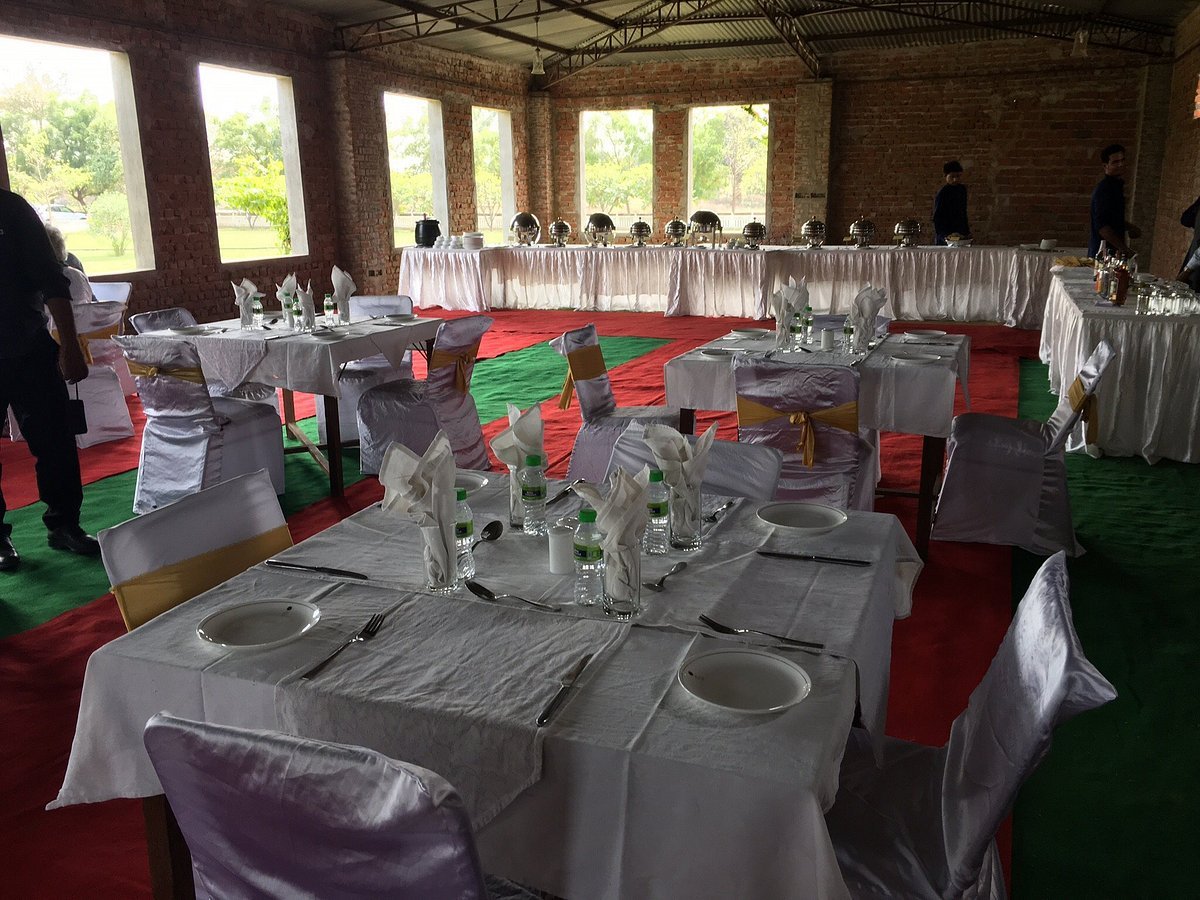
A respectful conversation with a guide, an explanation of a regional dish, or a visit to a craft workshop may reveal details that are not obvious from a sightseeing itinerary.
Learn Through Conversation
Local guides, artisans, performers, and food professionals can provide insight into traditions and changes that a guidebook may not fully explain.
Ask open questions about the craft, dish, building, or performance. Avoid assuming that one person's explanation represents every community or region.
Understand Local Customs
Practices around greetings, religious spaces, clothing, photography, and hospitality can vary. Follow posted guidance, observe what local hosts recommend, and ask politely when uncertain.
When visiting a place of worship, check clothing requirements and rules about footwear, photography, and access.
Avoid Treating Culture as a Performance
Some cultural activities are specifically arranged for visitors, while others take place as part of everyday community life. Recognising the difference helps travellers behave respectfully.
Support experiences that provide clear information, treat participants fairly, and avoid presenting local people as objects of curiosity.
How to Plan a Rajasthan Cultural Itinerary
Rajasthan is a large state, and attempting to cover every major destination in a short trip can leave little time to appreciate the experiences themselves.
A better approach is to select a few cultural themes and build the route around them.
Step 1: Choose Your Main Interests
Start by deciding what you most want to experience.
| Travel Interest | Experiences to Consider |
|---|---|
| Architecture and history | Forts, palaces, havelis, museums, heritage-oriented stays |
| Music and dance | Folk performances, cultural evenings, festivals |
| Food and culinary culture | Regional dishes, thalis, sweets, food demonstrations |
| Arts and crafts | Textile workshops, pottery, painting traditions, local markets |
| Rural culture | Respectfully organised village visits, agriculture-related experiences |
| Nature and wildlife | Ranthambore visits, suitable nature experiences, regional landscapes |
| Leisure and heritage hospitality | Heritage resorts, garden dining, selected cultural and outdoor activities |
| Festivals and community celebrations | Seasonal festivals, fairs, processions, local events |
Choose two or three main themes rather than trying to fit everything into every day.
Step 2: Group Destinations Geographically
Plan the route to reduce unnecessary travel. Jaipur, Dausa, and the Ranthambore region may be relevant to a trip through eastern Rajasthan, but actual journey times depend on the chosen route, traffic, and road conditions.
If you are travelling onwards to another destination, allow enough time for transfers and avoid scheduling a major activity too close to departure.
Step 3: Check Seasonal and Event-Based Availability
Festivals, craft demonstrations, music events, and outdoor activities may operate only on certain dates or require advance arrangements.
Check schedules before booking non-refundable transport or accommodation around a particular event.
Step 4: Balance Organised Activities with Free Time
Leave room for unplanned discoveries, rest, meals, and time to appreciate the surroundings.
A trip with a few well-chosen experiences can be more rewarding than one that attempts to cover too many activities.
Step 5: Confirm Bookings and Practical Details
Before departure, verify:
- Opening hours and ticket requirements.
- Activity timings and availability.
- Transport and expected travel times.
- Dining options and dietary requirements.
- Photography rules.
- Clothing requirements for religious sites.
- Any advance-notice requirements.
- Cancellation and payment terms.
This preparation helps prevent avoidable problems while keeping the itinerary flexible.
A Sample Five-Day Rajasthan Cultural Travel Plan
The following itinerary is an illustrative framework for travellers interested in architecture, food, cultural activities, and wildlife. It is not a fixed tour programme, and the order should be adjusted according to arrival city, travel dates, transport, and availability.
| Day | Suggested Focus | Possible Experiences |
|---|---|---|
| Day 1 | Jaipur's cultural character | Explore selected architectural landmarks, visit a local market, and try regional food |
| Day 2 | Arts, crafts, and history | Visit a museum or craft workshop and learn about regional textile or artistic traditions |
| Day 3 | Dausa region and heritage-oriented stay | Travel towards the Dausa region, enjoy the setting of a heritage resort, and explore available leisure experiences |
| Day 4 | Cultural and outdoor experiences | Consider a suitable outdoor activity, a cultural evening if scheduled, or additional regional sightseeing |
| Day 5 | Wildlife or onward travel | If practical, arrange a visit towards Ranthambore or continue to the next destination |
Adapting the Plan to Your Travel Style
For families: Allow additional time for meals, rest, and activities suitable for different ages. Confirm age restrictions before booking outdoor experiences.
For couples: Choose a balance of sightseeing, dining, cultural activities, and leisure time rather than filling every day with travel.
For culture enthusiasts: Spend more time in museums, craft workshops, historic districts, and guided architectural visits.
For wildlife enthusiasts: Plan park visits around confirmed safari arrangements and keep sufficient time for transport.
For slower travel: Reduce the number of destinations and stay longer in one or two locations to explore them in greater depth.
Best Time to Explore Rajasthan's Cultural Experiences
The best time for cultural travel depends on the activities you want to prioritise.
October to March: A Popular Period for Touring
The cooler months are generally popular for sightseeing across much of Rajasthan. They can be suitable for exploring architectural sites, markets, and outdoor cultural attractions, although conditions vary by location and date.
Popular destinations and major events may be busy during this period, so advance planning is useful.
April to June: Plan Around the Heat
Summer temperatures can become very high in many parts of Rajasthan. Outdoor sightseeing may be more comfortable early in the morning or later in the day, while indoor attractions and planned rest periods can help manage the heat.
Travellers should check local weather forecasts and adjust outdoor activities accordingly.
July to September: Monsoon Landscapes and Seasonal Events
The monsoon brings changing conditions across Rajasthan. Some areas become greener, while rain can affect road travel and outdoor activities.
Seasonal festivals may offer cultural opportunities during this period, but dates, programmes, and weather conditions should be checked before booking.
Plan Around the Experience, Not Just the Season
If a particular festival, wildlife visit, or cultural performance is central to your trip, confirm the schedule first and then choose travel dates.
For general heritage sightseeing, flexibility can be more valuable than trying to visit during one specific event.
Responsible Cultural Tourism in Rajasthan
Responsible tourism helps travellers enjoy cultural experiences while respecting the people, places, animals, and traditions involved.
Respect Religious and Cultural Spaces
Follow local rules about clothing, footwear, photography, and access. Religious sites may have restrictions that differ from those at museums or monuments.
Ask for guidance rather than assuming that the same rules apply everywhere.
Support Artisans and Local Businesses
Purchasing crafts directly from artisans or through transparent businesses can help support traditional skills and local livelihoods.
Ask about the product's materials and production process, and choose items based on their quality and value rather than their appearance alone.
Be Thoughtful About Photography
Always consider privacy and consent when photographing people, particularly children, artisans, religious participants, or residents in private settings.
A camera does not automatically give visitors permission to record someone else's life.
Prioritise Animal Welfare
Choose responsible providers for camel rides, horse riding, safaris, and other animal-related activities. Ask about animal care, safety practices, and appropriate activity durations.
Avoid Cultural Generalisations
Rajasthan contains many communities and traditions. Clothing, food, music, language, and religious practices vary across the state.
A respectful traveller approaches each experience with curiosity and recognises that one event or performance cannot represent every Rajasthani community.
Including Talabgaon Castle in a Rajasthan Cultural Journey
For travellers exploring the Jaipur region, Dausa, and routes towards Ranthambore, Talabgaon Castle Heritage Resort can be considered as one part of a wider Rajasthan itinerary.
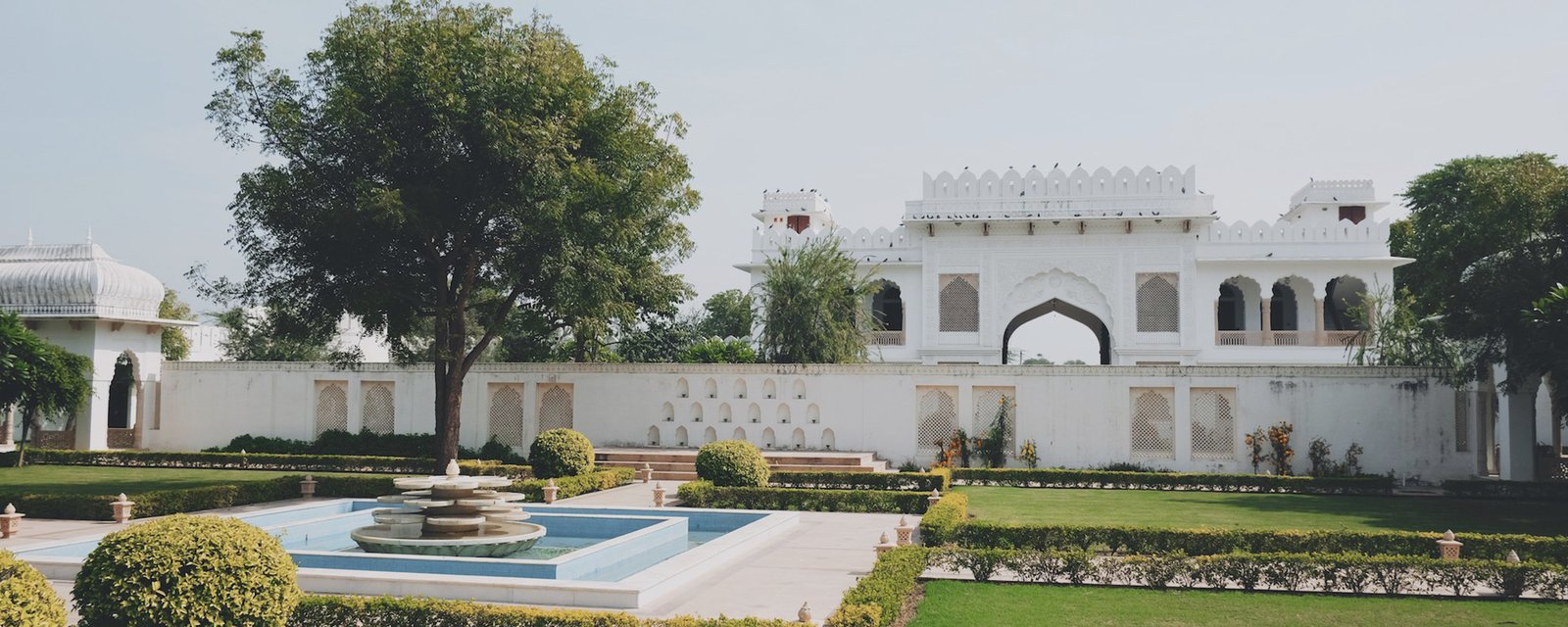
The property offers a heritage-oriented setting where guests can combine accommodation with time to relax and selected outdoor or cultural experiences. This can be useful for travellers who want their accommodation to contribute to the holiday rather than serving only as a place to sleep between sightseeing stops.
Explore the Heritage-Oriented Setting
The resort's setting may appeal to visitors who enjoy heritage-inspired surroundings and want time to appreciate the property between excursions.
When evaluating a heritage stay, consider the accommodation category, the setting, available leisure facilities, and the experiences that can be confirmed for your dates.
Consider Cultural and Outdoor Activities
Talabgaon Castle lists camel safaris, camel cart rides, horse riding, horse safaris, music nights and cultural events, garden dining, and other leisure experiences.
The exact availability and arrangements may vary. Guests should contact the property directly to discuss the activities that best suit their travel plans.
Certain on-ground activities, including camel cart rides, jeep safaris, visits to Ranthambore National Park, and horse safaris, require at least 24 hours' advance notice to the property. Confirm the current requirements, timings, suitability, and charges before arrival.
Use the Resort as Part of a Wider Route
A heritage stay can fit into a journey that includes Jaipur sightseeing, cultural exploration in the Dausa region, and a planned visit towards Ranthambore.
The most practical route depends on your arrival point, transport, total trip duration, and the activities you want to prioritise. Verify current journey times and arrange wildlife activities separately where necessary.
Choose the Right Accommodation
Talabgaon Castle lists three accommodation categories:
- Heritage Suites: Approximately 350 sq. ft., with a king double bed.
- Heritage Rooms: Approximately 350 sq. ft., with a single or king double bed.
- Deluxe Rooms: Approximately 300 sq. ft., with a single or king double bed.
Confirm current room features, bed arrangements, rates, occupancy rules, and availability directly with the property before booking.
Frequently Asked Questions About Rajasthan Cultural Experiences
1. What are the best cultural experiences for tourists in Rajasthan?
Popular options include exploring forts and palaces, attending folk music and dance performances, trying regional cuisine, visiting craft markets, learning about traditional textiles, exploring museums, attending festivals, and experiencing rural landscapes through respectful local arrangements.
2. Which traditional dances should I see in Rajasthan?
Ghoomar and Kalbelia are among the best-known dance traditions associated with Rajasthan. The state also has diverse regional music and performance traditions. Check local programmes to see what is available during your visit.
3. Where can I experience traditional Rajasthani folk music?
Folk music may be available at cultural festivals, heritage events, selected venues, and organised performances across Rajasthan. Availability varies by destination and date, so confirm the programme before planning your evening.
4. What traditional Rajasthani food should tourists try?
Visitors may want to try dal baati churma, gatte ki sabzi, ker sangri, bajra roti, pyaaz kachori, and sweets such as ghewar. Non-vegetarian options include dishes such as laal maas, depending on the menu and personal preferences.
5. What are the best places to explore Rajasthan's heritage architecture?
Rajasthan has notable forts, palaces, havelis, temples, museums, and historic settlements across the state. Jaipur, Jodhpur, Udaipur, and other destinations offer different architectural traditions. Choose sites according to your route and interests.
6. Can tourists participate in traditional craft workshops in Rajasthan?
Some locations offer workshops or demonstrations involving textiles, block printing, pottery, miniature painting, and other crafts. Confirm whether the experience is hands-on or demonstration-based, along with the duration, cost, and booking requirements.
7. What cultural experiences are suitable for families visiting Rajasthan?
Families may enjoy architecture, museums, craft demonstrations, food experiences, selected cultural performances, and suitable outdoor activities. Check age requirements, safety arrangements, and the length of each activity before booking.
8. Is Rajasthan suitable for cultural travel as a couple?
Yes. Couples can combine heritage sightseeing, regional dining, music performances, local markets, and time in a heritage-oriented setting. The best itinerary depends on whether they prefer active exploration, relaxed travel, or a combination of both.
9. What festivals can tourists experience in Rajasthan?
Depending on the dates and destination, visitors may encounter Teej, Gangaur, Diwali celebrations, Holi, and a variety of regional fairs and cultural festivals. Check the current dates, venue, programme, and local arrangements before travelling.
10. Can I experience rural culture during a Rajasthan trip?
Some areas offer respectfully organised village visits, craft experiences, agricultural demonstrations, and opportunities to learn about local food and livelihoods. Choose arrangements that respect residents' privacy and provide clear information about the nature of the visit.
11. What should I know before visiting a religious site in Rajasthan?
Check clothing expectations, footwear rules, photography restrictions, and any access requirements. Follow local instructions and approach religious practices respectfully, especially during ceremonies or crowded festivals.
12. What is the best time to explore Rajasthan's cultural attractions?
October to March is a popular period for sightseeing because temperatures are generally more comfortable in many areas. Summer can be very hot, while monsoon conditions vary. The best dates also depend on festivals, performances, and specific activities.
13. Can I combine cultural sightseeing with a Ranthambore visit?
Yes, depending on your route and the length of your trip. Plan the wildlife visit around confirmed safari arrangements, transport times, and current park requirements. A cultural itinerary can be combined with nature experiences when sufficient time is allowed.
14. What outdoor cultural experiences are available at Talabgaon Castle?
Talabgaon Castle lists camel safaris, camel cart rides, horse riding, horse safaris, and music nights or cultural events among its experiences. Guests should confirm current availability, arrangements, suitability, and charges directly with the property.
15. Does Talabgaon Castle offer a heritage-oriented stay near Jaipur?
Talabgaon Castle Heritage Resort is in Rajasthan's Dausa region and is described as approximately a 1.3-hour drive south of Jaipur. Journey times vary with traffic, route, and road conditions, so check the expected travel time for your dates.
16. Can I arrange a Ranthambore National Park visit through Talabgaon Castle?
The resort lists Ranthambore National Park visits among its experiences. Contact the property to confirm the current arrangements, transport, booking responsibilities, charges, and any permits or safari reservations required.
17. Do I need to book cultural activities in advance?
Some activities, workshops, performances, and festival arrangements require advance booking. Talabgaon Castle asks guests to provide at least 24 hours' notice for certain on-ground activities, including camel cart rides, jeep safaris, Ranthambore National Park visits, and horse safaris.
18. How many days are enough for a cultural trip to Rajasthan?
Three to five days can provide an introduction to selected destinations and experiences, while a longer trip allows travellers to explore multiple regions at a more relaxed pace. The ideal duration depends on travel distances, festival dates, and the activities you want to include.
19. How can I experience Rajasthan responsibly?
Respect local customs, ask permission before photographing people, support artisans and local businesses, follow rules at religious sites, and choose responsible providers for animal-related activities. Learn about the context of traditions instead of treating them only as tourist attractions.
20. How can I include Talabgaon Castle in my Rajasthan itinerary?
Consider the resort as part of a route that includes the Jaipur region, Dausa, or a planned journey towards Ranthambore. Contact the property to confirm accommodation, dining options, and available activities, and allow sufficient time for transport and advance arrangements.
Discover the Cultural Side of Rajasthan
Rajasthan offers cultural experiences that appeal to many different kinds of travellers. Architecture reveals the region's artistic and practical design traditions. Folk music and dance bring stories and celebrations to life. Regional cuisine introduces visitors to local ingredients and cooking techniques, while crafts and markets provide insight into the skills that continue to shape everyday life.
The most rewarding itinerary is not necessarily the one that includes the greatest number of attractions. It is the one that allows enough time to understand the places you visit, engage respectfully with local traditions, and enjoy the experiences that interest you most.
For travellers exploring the Jaipur region, Dausa, and routes towards Ranthambore, Talabgaon Castle Heritage Resort offers a heritage-oriented setting to consider as part of a wider Rajasthan journey.
Explore the available accommodation, ask about cultural and outdoor experiences, and plan your visit around the activities that matter most to you.
Plan your Rajasthan cultural getaway with Talabgaon Castle Heritage Resort. Contact the property directly to confirm room availability, current experiences, dining arrangements, and any activities that require advance notice.
Make Your Rajasthan Journey More Meaningful
Ask about accommodation, dining and the cultural or outdoor experiences available during your planned dates.
