


Dausa Tourist Attractions: Places to Explore in and Around Dausa, Rajasthan
Explore historic stepwells, spiritual landmarks, traditional settlements and the landscapes of eastern Rajasthan.
Discover the Tourist Attractions of Dausa
Rajasthan is known for its magnificent forts, historic cities, colourful traditions and distinctive architectural heritage. Beyond popular destinations such as Jaipur, Jodhpur and Udaipur, the state also offers quieter regions where visitors can discover centuries-old monuments, spiritual landmarks, traditional settlements and landscapes shaped by local history. Dausa, in eastern Rajasthan, is one such destination, offering an opportunity to explore a different side of the state's cultural heritage.
Located within convenient driving distance of Jaipur, Dausa is particularly known for the remarkable Chand Baori stepwell at Abhaneri, the adjoining Harshat Mata Temple, the revered Mehandipur Balaji Temple and the historic settlement of Bhandarej. The wider district also offers opportunities to discover village life, regional traditions, historic structures and the quieter countryside of Rajasthan.
Whether you are planning a short sightseeing excursion, a cultural road trip, a spiritual journey or a longer Rajasthan holiday, exploring the tourist attractions in Dausa can add an interesting dimension to your itinerary. Rather than treating the destination as simply a stop between larger cities, travellers can use it to understand the relationship between traditional water architecture, religious practices, rural settlements and the region's historical development.
This guide explores the best places to visit in and around Dausa, what makes each destination worth discovering, how to plan your sightseeing route, and how to combine local exploration with a comfortable heritage-resort stay.

Chand Baori, Abhaneri: Discover One of Rajasthan's Most Remarkable Stepwells

Chand Baori is one of the most recognisable tourist attractions in the Dausa region and a major reason architecture enthusiasts and cultural travellers visit Abhaneri. This historic stepwell is celebrated for its extraordinary geometric design, deeply descending flights of stairs and intricate arrangement of stonework.
Traditional stepwells were more than architectural landmarks. In regions where water availability and seasonal temperatures influenced everyday life, they served practical purposes while also functioning as important communal spaces. Chand Baori demonstrates how water conservation, craftsmanship and architectural planning could come together in a single structure.
What makes Chand Baori worth visiting?
The stepwell's most striking feature is its arrangement of closely spaced steps that descend in repeated geometric patterns. Viewed from above, the symmetry creates a dramatic visual effect that differs from the design of conventional wells, tanks and reservoirs.
Visitors can appreciate several aspects of the structure:
- Geometric architecture: The repeated stairways create a distinctive pattern that attracts architecture enthusiasts and photographers.
- Historic water management: The stepwell illustrates how communities developed structures to access and conserve water in a region with challenging climatic conditions.
- Stone craftsmanship: The construction demonstrates the precision required to create a large, functional structure with an organised architectural layout.
- Cultural significance: Chand Baori offers a connection to the history of Abhaneri and the surrounding settlements.
- Photography opportunities: Its symmetrical steps, changing shadows and stone surfaces create compelling visual compositions.
Chand Baori is generally associated with the early medieval period, often dated to the eighth or ninth century. Its historical setting makes it particularly valuable for visitors interested in Rajasthan's architectural evolution.
How to explore Chand Baori
Allow enough time to appreciate the structure rather than limiting your visit to a quick photograph. Observe the different levels, the relationship between the steps and surrounding architecture, and the way sunlight changes the appearance of the stonework throughout the day.
Follow the site's current access rules. Some areas may be restricted, and visitors should not assume that they can walk down every staircase or approach the water.
Best suited for: History enthusiasts, architecture students, photographers, cultural travellers, families and visitors interested in Rajasthan's historic engineering.
Harshat Mata Temple: Explore Abhaneri's Spiritual and Architectural Heritage
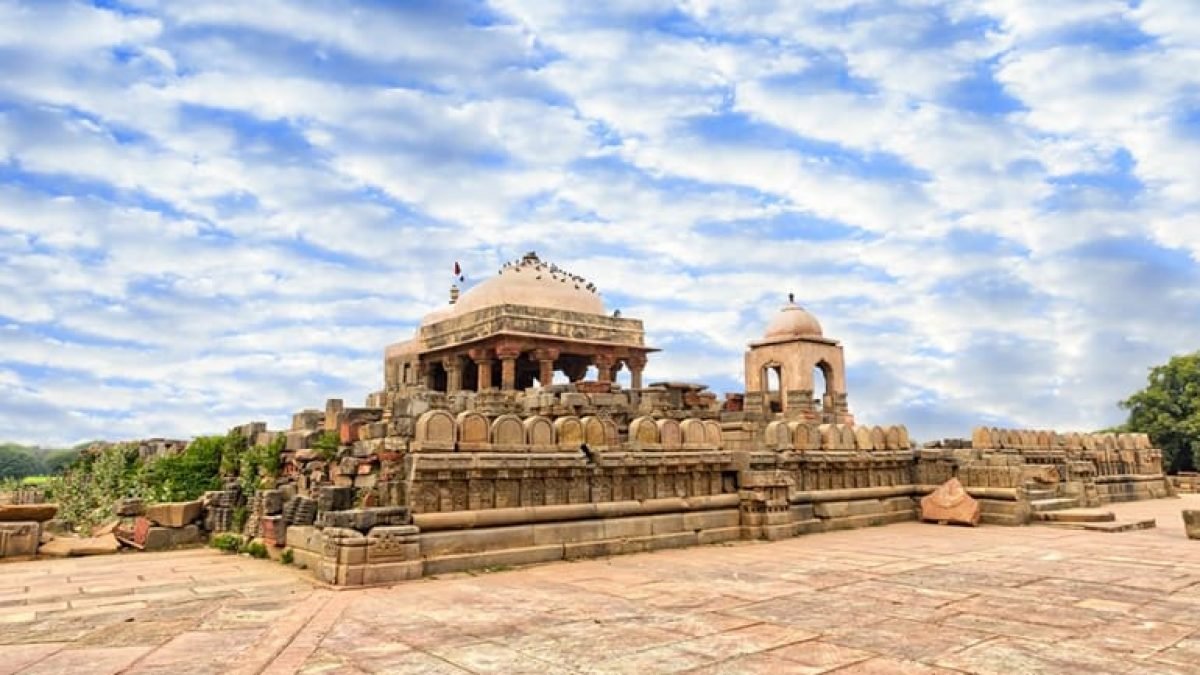
Located beside Chand Baori, Harshat Mata Temple is one of the most significant places to explore in Abhaneri. Dedicated to Harshat Mata, traditionally associated with joy and happiness, the temple is an important religious and architectural landmark in the Dausa region.
Its proximity to Chand Baori makes it easy to include both attractions in the same excursion. Together, they provide a more complete understanding of the settlement's historic character, bringing water architecture and religious heritage into a single visit.
Why visit Harshat Mata Temple?
The temple is known for its historic architectural elements and sculptural remains. Although parts of the original structure have not survived intact, its surviving features offer a glimpse into the craftsmanship and religious architecture of an earlier period.
During your visit, look for:
- Carved architectural details and surviving stone elements.
- The relationship between the temple and its surrounding historic landscape.
- Traditional forms of worship and the site's continuing religious importance.
- The contrast between the temple's architectural details and Chand Baori's geometric design.
The temple should be approached as both a heritage site and a place of religious significance. Visitors should dress respectfully, follow local customs and observe any restrictions on photography or access.
Combining Harshat Mata Temple with Chand Baori
A practical approach is to visit Chand Baori and Harshat Mata Temple together before continuing to other destinations in the district. This reduces unnecessary travel and allows you to experience the two most prominent attractions in Abhaneri without rushing.
If you are interested in historical architecture, consider researching the period and regional styles before your visit. Understanding the context can make the surviving sculptures, structural elements and surrounding landscape more meaningful.
Best suited for: Heritage travellers, architecture enthusiasts, cultural explorers, photographers and visitors interested in Rajasthan's religious traditions.
Mehandipur Balaji Temple: Visit an Important Pilgrimage Destination

Mehandipur Balaji Temple is among the best-known religious attractions in the Dausa region. Dedicated to Lord Hanuman, the temple draws devotees from different parts of India and is associated with distinctive rituals and devotional traditions.
Unlike a sightseeing monument visited primarily for its architecture, Mehandipur Balaji is an active place of worship. Its significance lies in the faith of its devotees, the religious practices observed there and the role it plays in the spiritual life of the region.
What should visitors know before going?
The temple experience can be different from a conventional tourist attraction. Depending on the day and religious calendar, the surrounding area may be busy, and queues can affect the time required for darshan.
Before visiting, consider the following:
- Check current darshan timings and local arrangements.
- Allow additional time if travelling on a Tuesday, Saturday, festival day or other busy religious occasion.
- Dress modestly and follow the temple's instructions.
- Respect worshippers and avoid intrusive photography.
- Be prepared for crowds and activity around the temple complex.
- Confirm current parking and local transport arrangements before travelling.
Visitors should approach religious practices respectfully and avoid treating devotees' personal experiences as entertainment.
Is Mehandipur Balaji suitable for a family itinerary?
It can be included in a family itinerary when the family is comfortable visiting an active pilgrimage destination. However, the atmosphere may be crowded or intense at particularly busy times, so travellers should consider the preferences of children, older family members and anyone who may find crowded religious spaces uncomfortable.
The temple can be combined with other attractions in the Dausa region, although the route should be planned according to current road conditions and the amount of time you want to spend at each stop.
Best suited for: Pilgrims, spiritual travellers, cultural researchers and visitors interested in the religious traditions of Rajasthan.
Explore Dausa with a Comfortable Heritage Stay
Share your travel dates, preferred room category and planned excursions with Talabgaon Castle.
Bhandarej: Discover a Historic Settlement Near Dausa

Bhandarej is a worthwhile addition to a Dausa sightseeing itinerary, particularly for travellers interested in historical settlements, traditional architecture and the less-publicised heritage of eastern Rajasthan.
The settlement has a long history and is associated with the name Bhadrawati in historical accounts. Its heritage includes the Bhandarej Baori and Bhadrawati Palace, along with architectural and archaeological features that reflect the area's earlier significance.
Compared with a destination focused on one famous monument, Bhandarej offers an opportunity to explore a broader historic setting.
Bhandarej Baori
Stepwells are an important part of Rajasthan's architectural landscape, and Bhandarej Baori offers another perspective on this tradition. While Chand Baori is widely recognised for its dramatic symmetry and scale, visiting another stepwell can help travellers appreciate the variety of designs developed to address water access and conservation.
Observe the structure's surviving features, its relationship with the settlement and the practical role stepwells played in communities before modern water infrastructure.
Access conditions and the level of preservation may vary, so check locally before making a special journey to a particular structure.
Bhadrawati Palace and the area's heritage
Bhadrawati Palace is another historic landmark associated with Bhandarej. The wider area is known for architectural and archaeological remains, including decorative features and evidence of traditional craftsmanship.
The palace's name and historic associations make it an interesting subject for travellers researching Rajasthan's regional history. However, visitors should confirm current access arrangements before assuming that every part of the property is open for sightseeing.
What else can you discover in Bhandarej?
Beyond individual structures, the village offers a chance to observe the relationship between historic buildings, local settlement patterns and traditional livelihoods.
If you have time, explore respectfully, support local businesses where appropriate and ask permission before photographing residents or private property.
Best suited for: History enthusiasts, travellers seeking quieter heritage stops, photographers and visitors who want to explore beyond Rajasthan's best-known tourist circuits.
Jhajhirampura: Explore Religious Sites and Natural Surroundings

Jhajhirampura is another place mentioned among the attractions of Dausa district. It is associated with a natural water tank and temples dedicated to Hindu deities, including Rudra, a form of Lord Shiva, and Balaji, a form of Lord Hanuman.
The area is known for its combination of religious significance and natural surroundings. For travellers interested in local pilgrimage traditions, it offers a different experience from the more prominent architectural attractions of Abhaneri.
What makes Jhajhirampura interesting?
Its appeal comes from the combination of temples, water features and the surrounding landscape. The destination can provide insight into how religious places are connected with local geography and community traditions.
Visitors can consider Jhajhirampura if they are looking for:
- Smaller religious sites beyond the region's best-known temple destinations.
- An opportunity to learn about local worship practices.
- A quieter excursion focused on regional culture.
- A landscape-based stop that complements visits to historic monuments.
Because facilities and access may be more limited than at major tourist attractions, it is sensible to check local conditions before travelling.
Best suited for: Spiritual travellers, cultural explorers and visitors with additional time in the Dausa region.
Lotwara: Experience the Character of a Traditional Rajasthani Village

Lotwara is a village in the wider Dausa region known for Lotwara Garh and its association with peacocks. It can appeal to travellers who want to look beyond major monuments and discover the character of rural Rajasthan.
The village's fort adds a historical dimension, while its natural setting and birdlife offer a different kind of sightseeing experience.
Why consider Lotwara?
Lotwara can complement a trip focused on stepwells and temples by introducing a village setting into the itinerary. Rather than spending the entire day moving between monuments, visitors can use this kind of stop to appreciate the relationship between historic structures, settlement life and the surrounding landscape.
Depending on local access and conditions, visitors may be interested in:
- Exploring the exterior and setting of Lotwara Garh.
- Observing the village's architectural character.
- Looking for peacocks and other visible birdlife without disturbing them.
- Learning about rural life in the Dausa region.
- Photographing landscapes and traditional buildings where permitted.
Lotwara should not be treated as a guaranteed wildlife-viewing destination. The presence of birds varies, and visitors should observe wildlife from a respectful distance.
Travel considerations
A village excursion is best approached with realistic expectations. Shops, transport and visitor facilities may be limited, and not every historic structure will necessarily be open to the public.
Ask before entering private property, avoid littering and respect the privacy of local residents.
Best suited for: Slow travellers, cultural explorers, photographers and visitors interested in rural landscapes.
Explore Dausa with a Comfortable Heritage Stay
Share your travel dates, preferred room category and planned excursions with Talabgaon Castle.
Bandikui: Discover a Different Side of the Dausa Region

Bandikui is a town in Dausa district with historical associations linked to railway development. One of the attractions identified by Rajasthan Tourism is a church built in a Roman architectural style for Protestant Christians.
For travellers interested in how towns evolved through different historical periods, Bandikui provides a different perspective from the temples, stepwells and traditional settlements that dominate many Dausa sightseeing itineraries.
What can you explore in Bandikui?
Bandikui is most useful as a regional stop for visitors interested in local history and the development of transport infrastructure.
Depending on your interests and available time, you may wish to explore:
- The town's historical relationship with railway development.
- Architectural landmarks associated with its colonial-era past.
- Local markets and everyday town life.
- Religious and community heritage, where visitor access is appropriate.
Do not assume that every building associated with the town's history is a public attraction. Confirm access before planning a dedicated visit to a particular site.
Best suited for: Travellers interested in regional history, railway heritage and places beyond the main tourist circuit.
Explore the Heritage and Rural Landscapes Around Dausa

The appeal of Dausa extends beyond a checklist of monuments. The surrounding countryside offers a different view of Rajasthan, where historic settlements, cultivated land, village roads, temples and traditional buildings form part of the wider landscape.
For visitors accustomed to the busy streets of major tourist cities, travelling through the Dausa region can create space for a slower and more observant style of exploration.
What to look for during a countryside excursion
A rural drive can reveal details that are easy to overlook when travelling directly between major attractions.
Look for:
- Traditional building materials and architectural details.
- Village temples and community spaces.
- Agricultural landscapes that change with the season.
- Local markets and everyday commercial activity.
- Regional crafts and traditional production methods.
- Birds and other wildlife visible in their natural surroundings.
These experiences are not always organised attractions with ticket counters or formal visitor facilities. Some are simply part of the region's everyday life.
The best approach is to remain flexible, travel respectfully and avoid entering private land or photographing people without permission.
How to experience rural Rajasthan responsibly
Rural tourism is most rewarding when visitors recognise that villages are living communities rather than open-air museums.
Be considerate when stopping along village roads, avoid blocking access, ask before photographing people and purchase local products when you genuinely want them. If a location has religious or cultural restrictions, follow them without argument.
These small decisions help make cultural exploration more respectful and meaningful.
Visit Dausa's Local Markets and Discover Regional Culture

A destination's character cannot always be understood through monuments alone. Local markets and town streets can reveal how residents shop, work and maintain everyday traditions.
While Dausa is best known to many visitors for its architectural and religious attractions, exploring its commercial areas can add another layer to the trip.
What can travellers look for?
Depending on the market and season, visitors may encounter:
- Everyday household goods and regional products.
- Traditional clothing and textiles.
- Locally prepared snacks and regional food.
- Seasonal produce and agricultural products.
- Small shops serving the surrounding communities.
Availability varies, so travellers should not expect every market to function as a dedicated handicraft bazaar.
If you are interested in traditional products, ask shopkeepers about the origin and production methods of items before purchasing them. This can help distinguish locally produced goods from merchandise brought in from other regions.
Food as part of the destination experience
Rajasthan's food traditions reflect the state's climate, agricultural conditions, preservation techniques and cultural diversity. During a visit to Dausa, travellers can look for opportunities to sample regional preparations from local eateries or other establishments that serve them.
Depending on availability, dishes associated with Rajasthan may include dal baati churma, gatte ki sabzi, ker sangri, bajra roti and regional sweets. These are examples of wider Rajasthani cuisine, not a guarantee that every dish will be available at every restaurant in Dausa.
Ask about ingredients, spice levels and preparation methods if you have dietary preferences or restrictions.
Explore Dausa with a Comfortable Heritage Stay
Share your travel dates, preferred room category and planned excursions with Talabgaon Castle.
Abhaneri Festival: Experience Rajasthan's Folk Traditions

The Abhaneri Festival has been associated with cultural tourism in the village of Abhaneri. Rajasthan Tourism has described the event as a celebration featuring local and Rajasthani folk performances, with traditions such as Ghoomar, Kalbelia, Kachhi Ghodi and Bhawai among the cultural forms associated with festival programming.
The festival adds a cultural dimension to a visit that might otherwise focus primarily on Chand Baori and Harshat Mata Temple.
Why consider a festival visit?
A cultural festival can help visitors understand that Rajasthan's heritage is not limited to architecture. Music, dance, clothing, performance traditions and community celebrations are also important parts of the region's identity.
Depending on the programme for a particular edition, a festival visit may provide opportunities to experience:
- Traditional Rajasthani folk performances.
- Regional music and dance.
- Local food and cultural activities.
- A livelier atmosphere around Abhaneri's heritage attractions.
- Interactions with the broader cultural landscape of the region.
Check the dates before travelling
Festival dates, programming and event arrangements can change. Do not assume that a previous year's schedule applies to your travel dates.
If attending the Abhaneri Festival is a priority, check the latest announcements from Rajasthan Tourism or the relevant local authorities before booking your trip.
Travellers visiting outside the festival period can still explore Abhaneri's principal attractions, subject to current opening arrangements.
Jaipur: Extend Your Dausa Trip with Rajasthan's Capital

Jaipur is one of the most practical destinations to combine with Dausa, particularly for visitors arriving by air or planning a wider Rajasthan itinerary.
Known for its historic urban planning, architectural landmarks, markets and cultural attractions, Jaipur offers a more extensive city experience than the smaller settlements around Dausa.
Depending on your interests, you could include:
- Amber Fort: A major historic complex known for its architecture and setting.
- Hawa Mahal: A distinctive landmark associated with Jaipur's historic cityscape.
- City Palace: A complex reflecting the history and artistic traditions of Jaipur's former ruling family.
- Jantar Mantar: An astronomical observatory recognised for its scientific and architectural significance.
- Historic markets: Areas where visitors can explore textiles, jewellery, crafts and other regional products.
These attractions belong to Jaipur rather than Dausa itself, so they should be planned as a separate city visit or as part of a broader route.
How to combine Jaipur and Dausa
Travellers with limited time can explore Jaipur first and then travel towards Dausa for a quieter heritage-focused experience. Others may prefer to use Jaipur as an arrival point, spend time in the Dausa region and continue to another destination.
The best sequence depends on your arrival time, transport arrangements, sightseeing priorities and accommodation plans.
Ranthambore: Add a Wildlife Experience to a Rajasthan Itinerary

For travellers interested in combining heritage with nature, Ranthambore National Park can be considered as part of a wider Rajasthan journey.
Ranthambore is known for its wildlife tourism and tiger-viewing opportunities. However, wildlife sightings are never guaranteed, and a visit requires planning around safari permits, authorised routes, available departure slots and park regulations.
Ranthambore is not a tourist attraction within Dausa town. It is a separate destination that may be combined with Dausa when the overall route and travel time make sense.
What should you know before planning a Ranthambore excursion?
If wildlife is a major priority, treat the safari as a planned activity rather than an unstructured stop.
Consider the following:
- Reserve safari permits through authorised channels when possible.
- Check the current safari schedule and reporting requirements.
- Follow the instructions of guides and park personnel.
- Avoid making promises to children or other travellers about seeing a tiger.
- Bring suitable clothing for the season and time of day.
- Respect wildlife by remaining quiet and following all park rules.
Is Ranthambore suitable for a short Dausa visit?
It depends on your available time and the rest of your route. Trying to fit multiple distant attractions into one day can make the experience tiring and leave little time to appreciate either destination.
If you want to explore both heritage sites and wildlife, consider allocating sufficient time to each rather than treating Ranthambore as a quick addition to a packed sightseeing schedule.
Explore Dausa with a Comfortable Heritage Stay
Share your travel dates, preferred room category and planned excursions with Talabgaon Castle.
How to Plan a Dausa Sightseeing Route
Dausa's attractions are spread across different settlements, so route planning can make a significant difference to the quality of your trip.
Instead of choosing destinations solely by the number of places you can visit, group attractions by location and interest. This reduces unnecessary driving and gives you more time to explore each site.
Route option 1: A heritage-focused day trip
This route is suitable for travellers primarily interested in architecture and history.
Suggested sequence:
- Begin with Chand Baori at Abhaneri.
- Visit Harshat Mata Temple.
- Continue towards Bhandarej, subject to access and available time.
- Return to your accommodation or continue to your next destination.
This route focuses on the region's most prominent heritage features without requiring a long list of unrelated stops.
Route option 2: A spiritual and cultural excursion
This option is more suitable for travellers interested in religious sites and local traditions.
Suggested sequence:
- Visit Mehandipur Balaji Temple.
- Explore another accessible religious or cultural attraction in the region.
- Allow time for a local meal or market visit.
- Return to your accommodation without rushing the journey.
The order should be adjusted according to the temple's current arrangements, expected crowds and your starting point.
Route option 3: A wider Dausa heritage circuit
Travellers with more time can explore a broader selection of attractions.
Suggested sequence:
- Chand Baori and Harshat Mata Temple at Abhaneri.
- Bhandarej and its historic surroundings.
- Lotwara, if the route and access arrangements are suitable.
- Jhajhirampura or another locally accessible destination.
- A relaxed return journey.
Not every stop will suit every traveller. Prioritise the places that match your interests and confirm road conditions and local access before departing.
Route option 4: Dausa as part of a longer Rajasthan holiday
If you have several days, consider connecting Dausa with Jaipur and a separate wildlife or heritage destination such as Ranthambore.
This broader approach allows you to experience different sides of Rajasthan: historic city architecture, traditional settlements, religious landmarks, rural landscapes and wildlife tourism.
Build the itinerary around realistic travel times rather than assuming that all destinations can be explored comfortably in a single day.
Suggested Itineraries for Visiting Dausa
The ideal itinerary depends on whether you are travelling for architecture, spirituality, photography, family sightseeing or a longer holiday.
The following sample plans are starting points. Actual driving times and sightseeing duration will depend on your starting location, traffic, road conditions, weather and the operating arrangements at each attraction.
One-day Dausa itinerary
A one-day visit is best kept focused.
Morning
- Travel to Abhaneri.
- Explore Chand Baori.
- Visit Harshat Mata Temple.
Midday
- Take a break for refreshments or lunch.
- Continue to Bhandarej if time, access and route conditions allow.
Afternoon
- Explore the accessible parts of the chosen heritage stop.
- Begin your return journey with enough time to avoid rushing.
This itinerary is most suitable for travellers who want to experience Dausa's best-known architectural attractions without attempting to cover the entire district.
Two-day Dausa itinerary
A two-day visit allows you to explore the region at a more comfortable pace.
Day 1: Heritage and architecture
- Visit Chand Baori.
- Explore Harshat Mata Temple.
- Spend additional time appreciating the historic setting of Abhaneri.
- Include Bhandarej if practical.
- Return to your accommodation for a relaxed evening.
Day 2: Religious and rural exploration
- Visit Mehandipur Balaji Temple if it suits your interests.
- Explore another accessible local attraction, such as Jhajhirampura or Lotwara, depending on the route.
- Stop at a local market or eatery.
- Return to your accommodation or continue to the next destination.
This plan leaves room for flexibility while covering several different aspects of the region.
Three-day heritage and countryside itinerary
A three-day trip can combine Dausa's historic sites with time in Jaipur or another destination in the wider region.
Day 1: Jaipur
Explore selected city attractions according to your interests and arrival time.
Day 2: Abhaneri and Bhandarej
Spend the day exploring Chand Baori, Harshat Mata Temple and the accessible heritage features of Bhandarej.
Day 3: Dausa region
Choose a religious, cultural or village-focused excursion. Alternatively, begin travelling towards another destination in Rajasthan if you are on a longer road trip.
The benefit of a three-day itinerary is that you can avoid treating every attraction as a brief photo stop. You can also accommodate changes in weather, local access or travel conditions.
Best Time to Visit Dausa, Rajasthan
The weather can strongly influence how comfortable your sightseeing experience will be, especially at outdoor monuments and village attractions.
October to March: A comfortable period for sightseeing
The cooler months are generally a practical time to explore Dausa. Outdoor sightseeing, walking around historic structures and travelling between villages can be more comfortable than during the hottest part of the year.
This period can be particularly suitable for visitors who want to combine Dausa with Jaipur or other destinations in Rajasthan.
However, temperatures can still vary between early mornings, afternoons and evenings, so check the forecast before travelling.
April to June: Plan around the heat
Summer temperatures in Rajasthan can become intense. If you travel during this period, plan outdoor visits carefully.
Helpful precautions include:
- Start sightseeing early where possible.
- Carry sufficient drinking water.
- Wear lightweight clothing that provides sun protection.
- Take breaks in shaded areas.
- Avoid spending unnecessary time in direct sunlight.
- Check whether any planned outdoor activity is suitable for the conditions.
Travellers who are sensitive to heat may prefer a cooler travel period.
July to September: Consider seasonal conditions
The monsoon can bring changes to the landscape and may influence road conditions, outdoor comfort and travel schedules.
Conditions vary from year to year. Check local weather forecasts before departure and be flexible if rain affects your plans.
What about festivals and religious occasions?
Festival dates and religious calendars can affect visitor numbers and the atmosphere at individual attractions. These occasions may be rewarding for cultural travellers, but they can also mean heavier crowds and longer queues.
If you want to attend a specific event, verify the current dates and programme before making travel arrangements.
Explore Dausa with a Comfortable Heritage Stay
Share your travel dates, preferred room category and planned excursions with Talabgaon Castle.
How to Reach Dausa
Dausa can be incorporated into a Rajasthan road trip from Jaipur and other destinations in northern India. Your best route will depend on where you are starting, whether you are travelling by public transport and which attractions you plan to visit.
By air
Jaipur International Airport is a practical arrival point for many travellers exploring Dausa. After landing, you can continue by road using a pre-arranged transfer, taxi or other suitable transport option.
Check the current distance and journey time for your specific destination in Dausa district rather than relying on a single estimate for the entire region.
By train
Dausa and the wider region have rail connections. Travellers should check current train services, station locations and onward transport before finalising their itinerary.
A railway station may be convenient for reaching the town but less convenient for visiting scattered attractions such as Abhaneri or Lotwara. Plan the final part of your journey accordingly.
By road
Road travel offers flexibility when exploring multiple attractions around Dausa.
You can consider:
- A private vehicle for a flexible sightseeing route.
- A taxi or pre-arranged transfer for a short visit.
- Local buses for suitable routes, where services are available.
- A combination of rail travel and road transport.
If you want to visit several places in one day, a private vehicle or pre-arranged taxi may make it easier to manage the route. Confirm the vehicle arrangement, waiting time and return journey in advance.
Local transport for sightseeing
Public transport availability varies between locations. Do not assume that every village attraction has frequent services or easy onward connections.
If a particular site is important to your trip, confirm how to reach it before leaving your accommodation.
Where to Stay When Exploring Dausa and the Surrounding Region

Choosing accommodation is an important part of planning a Dausa trip, especially when your itinerary includes several attractions spread across the countryside.
The right base depends on your route, travel style and the experience you want between sightseeing excursions.
Staying in Jaipur
Jaipur can be a practical base for travellers who want access to a large selection of accommodation, restaurants and city attractions while making a day trip towards Dausa.
This option may work well if Dausa is one part of a broader Jaipur-focused holiday. However, the suitability of a day trip depends on the exact attractions you want to visit and the amount of time you are prepared to spend travelling.
Choosing a heritage-resort experience
Travellers who prefer a stay connected with Rajasthan's heritage atmosphere may consider a heritage resort in the wider region.
A heritage-oriented stay can complement visits to historic architecture, traditional settlements and cultural attractions by giving the holiday a more relaxed pace.
When choosing accommodation, consider:
- The locations you intend to visit.
- The time required to travel between attractions.
- The type of room and level of comfort you prefer.
- Whether you want to spend meaningful time at the property or only use it for overnight stays.
- The availability of dining and activities that suit your group.
- Current room availability and the arrangements offered by the property.
Avoid selecting accommodation based only on its name or photographs. Confirm its actual location, facilities, room category and travel time to the places you want to explore.
Talabgaon Castle Heritage Resort: A heritage stay to consider
For travellers looking to combine regional sightseeing with a heritage-resort atmosphere, Talabgaon Castle Heritage Resort is an option to consider when planning a trip around Dausa and the wider Rajasthan region.
The property offers a setting suited to travellers who want to balance excursions with time to relax. Its room categories include Heritage Suites, Heritage Rooms and Deluxe Rooms, allowing visitors to review the available accommodation options according to their preferences.
The property also features experiences associated with its heritage-resort setting, including camel cart rides, camel safaris, horse riding, horse safaris, jeep safaris, music nights and cultural events, subject to availability and arrangements.
Some on-ground activities, including camel cart rides, jeep safaris, visits to Ranthambore National Park and horse safaris, require the hotel to be informed at least 24 hours in advance. Confirm the current arrangements directly before planning your itinerary around any activity.
Talabgaon Castle can be considered as part of a wider Rajasthan journey for travellers interested in heritage-inspired hospitality, cultural experiences and countryside exploration. When comparing it with other accommodation options, verify the route to each planned attraction and allow realistic travel time.
Explore the available stay options and contact Talabgaon Castle Heritage Resort to discuss your travel dates, accommodation preferences and planned regional excursions.
Is Dausa Worth Visiting? Who Will Enjoy the Destination Most?
Dausa can be rewarding for travellers who enjoy exploring places through their architecture, cultural traditions and historical context rather than relying exclusively on large, highly developed tourist centres.
Its appeal is particularly strong for visitors interested in the following travel styles.
History and architecture enthusiasts
Chand Baori, Harshat Mata Temple and Bhandarej provide opportunities to examine traditional architecture, historic construction and the relationship between monuments and settlements.
Visitors who enjoy understanding the background of a site may find these attractions more rewarding than those who prefer only quick sightseeing stops.
Spiritual travellers
Mehandipur Balaji Temple and other religious sites in the region attract visitors interested in Hindu devotional traditions and pilgrimage.
Travellers should check current arrangements and approach religious spaces respectfully.
Photographers
The geometric steps of Chand Baori, surviving architectural details, village streets and countryside landscapes can offer a variety of photographic subjects.
Photographers should follow site restrictions and obtain permission before photographing people or private property.
Families
Families can build a varied itinerary around historic monuments, religious sites and rural exploration. The best route depends on the ages and interests of family members.
Plan breaks, avoid overloading the day with too many stops and consider the heat and walking requirements at outdoor attractions.
Couples and slow travellers
Travellers seeking a quieter cultural excursion can use Dausa to explore a less city-focused side of Rajasthan.
Pairing sightseeing with a comfortable accommodation base can make the trip feel less rushed, especially when the itinerary includes multiple locations.
Travellers planning a longer Rajasthan road trip
Dausa can complement a wider itinerary that includes Jaipur and other regional destinations. Its heritage attractions offer a different perspective from the large forts, palaces and urban landmarks that dominate many Rajasthan travel plans.
Practical Travel Tips for Visiting Dausa Tourist Attractions
A little preparation can make a significant difference when exploring a region with attractions distributed across towns and villages.
Research the attractions before departure
Not every attraction has the same facilities, opening arrangements or access conditions. Check the latest information for each site, especially if a particular monument or religious destination is central to your plans.
Start outdoor sightseeing early
Morning visits can be more comfortable during warmer months. Starting early can also leave more flexibility if you encounter traffic, queues or delays.
Carry essentials
Depending on the season and itinerary, useful items may include:
- Drinking water.
- Sun protection.
- Comfortable walking footwear.
- Weather-appropriate clothing.
- Cash for small purchases where digital payment may not be convenient.
- A charged phone and any necessary navigation tools.
- Personal medication and essential travel items.
Respect religious customs
Dress appropriately at temples and other religious sites. Follow footwear requirements, photography restrictions and local instructions.
Ask before photographing people
A village street or market may look like a photographic opportunity, but residents are going about their daily lives. Ask permission before taking close-up photographs of people, homes or private activities.
Allow realistic travel time
Distances between attractions do not always tell the whole story. Road conditions, local traffic, parking, waiting times and the amount of time spent at each site can affect your schedule.
Avoid planning a day that depends on every journey taking the minimum possible time.
Confirm accommodation and activities
If you are staying at a heritage resort, confirm room availability, meal arrangements, transport requirements and any activities you want to experience.
For activities at Talabgaon Castle that require advance notice, inform the property at least 24 hours beforehand and reconfirm availability.
Travel responsibly
Avoid littering, disturbing wildlife, damaging historic structures or entering restricted areas. Supporting local businesses and respecting community customs can help make your visit more positive for both visitors and residents.
Frequently Asked Questions About Dausa Tourist Attractions
1. What are the most famous tourist attractions in Dausa?
The best-known attractions in the Dausa region include Chand Baori at Abhaneri, Harshat Mata Temple, Mehandipur Balaji Temple, Bhandarej and its historic landmarks, Jhajhirampura, Lotwara and Bandikui. The best places for your itinerary depend on whether you are interested in architecture, pilgrimage, local history or rural exploration.
2. Is Chand Baori worth visiting?
Yes. Chand Baori is widely recognised for its symmetrical steps, historic water architecture and striking geometric design. It is particularly appealing to architecture enthusiasts, photographers and travellers interested in Rajasthan's historic engineering. Visitors should follow the site's current access restrictions.
3. Where is Chand Baori located?
Chand Baori is located in Abhaneri village in Dausa district, Rajasthan. It is commonly visited with the nearby Harshat Mata Temple, making the two attractions easy to combine in one heritage-focused excursion.
4. What can I see at Abhaneri?
Abhaneri is best known for Chand Baori and Harshat Mata Temple. Visitors can explore the stepwell's architectural design, learn about traditional water management and appreciate the historic temple's surviving architectural elements. The village can be included in a broader Dausa sightseeing route.
5. Is Harshat Mata Temple near Chand Baori?
Yes. Harshat Mata Temple is located beside Chand Baori in Abhaneri. Visiting both together is a practical way to explore the area's architectural and religious heritage without making separate journeys.
6. What is Mehandipur Balaji Temple famous for?
Mehandipur Balaji Temple is a major pilgrimage destination dedicated to Lord Hanuman. It is known for its distinctive devotional traditions and rituals. Visitors should approach the temple respectfully, check current darshan arrangements and allow extra time during busy religious occasions.
7. Can I visit Dausa in one day?
Yes, a one-day visit is possible if you focus on a manageable number of attractions. Chand Baori and Harshat Mata Temple are a practical starting point, with Bhandarej potentially added if time and access arrangements allow. Trying to cover every attraction in the district in one day may make the trip rushed.
8. How many days are enough to explore Dausa?
One day can work for a focused heritage visit, while two days allow more flexibility for religious sites, villages and additional historic attractions. Three days can be useful if you want to combine Dausa with Jaipur or another destination in the wider region.
9. What are the best places to visit near Dausa?
Places to consider include Abhaneri, Bhandarej, Mehandipur Balaji, Jhajhirampura and Lotwara. Jaipur is another major destination to combine with Dausa. Ranthambore may also fit into a longer Rajasthan itinerary, depending on your route and available time.
10. Is Dausa suitable for a family trip?
Dausa can suit families interested in history, architecture, cultural exploration and religious sites. Plan the route around the ages and interests of your family members, allow regular breaks and consider weather conditions when visiting outdoor attractions.
11. What is the best time to visit Dausa, Rajasthan?
October to March is generally a comfortable period for outdoor sightseeing in the region. Summer can be very hot, so visitors travelling between April and June should plan around the heat. During the monsoon, check weather and road conditions before departure.
12. How far is Dausa from Jaipur?
Dausa is commonly described as approximately 55 kilometres from Jaipur, although the exact distance and travel time depend on your starting point, destination within Dausa district and chosen route. Attractions such as Abhaneri are farther from Jaipur than Dausa town itself, so calculate the journey for the specific places you intend to visit.
13. Can I visit Chand Baori and Mehandipur Balaji on the same day?
It may be possible depending on your starting point, transport, traffic, temple arrangements and how long you spend at each attraction. However, it is important to map the route and allow enough time for both visits. If you prefer a relaxed experience, consider dividing the attractions across separate excursions.
14. Are there heritage places to visit in Bhandarej?
Yes. Bhandarej is associated with Bhandarej Baori, Bhadrawati Palace and other historic architectural and archaeological features. Current access conditions can vary, so check locally before planning your visit around a particular structure.
15. What can I do in Dausa besides visiting monuments?
You can explore local markets, sample regional food where available, observe rural landscapes, visit religious sites and learn about local traditions. Cultural events may also be worth considering if they coincide with your travel dates. Respect local customs and ask permission before photographing residents.
16. Is Dausa good for photography?
Dausa can be rewarding for photographers interested in architecture, geometric patterns, stonework, village landscapes and cultural settings. Chand Baori is particularly notable for its symmetrical design. Always follow photography restrictions and seek permission before photographing people or private property.
17. Can I combine Dausa with Jaipur and Ranthambore?
Yes, Dausa can be included in a broader Rajasthan itinerary that also covers Jaipur and Ranthambore. The best order depends on your arrival point, transport and available days. Allocate sufficient time for each destination, especially if you want to participate in a wildlife safari at Ranthambore.
18. Where should I stay when visiting Dausa tourist attractions?
You can compare accommodation in Jaipur, Dausa and the surrounding region according to your itinerary. If you prefer a heritage-resort setting, Talabgaon Castle Heritage Resort is an option to consider as part of a wider regional journey. Confirm its location relative to your planned attractions, room availability and any activities before booking.
19. What should I wear when visiting temples and historic sites in Dausa?
Wear comfortable clothing suitable for the weather and walking conditions. At religious sites, modest clothing is advisable, and visitors should follow any specific dress, footwear or entry requirements. Comfortable walking shoes are useful for exploring outdoor heritage attractions, although footwear may need to be removed at temples.
20. Is Dausa suitable for a weekend getaway?
Dausa can work well for a short cultural getaway, particularly for travellers who want to explore historic architecture and religious landmarks without planning a long multi-city holiday. A weekend itinerary can include Abhaneri, Bhandarej and another attraction that suits your interests, with time left for a comfortable stay and an unhurried return journey.
21. Is it necessary to book a guide for Dausa sightseeing?
A guide is not essential for every visitor, but local or specialist guidance can add context to historic structures and regional traditions. If you want a guided visit, confirm the guide's availability, language and charges before travelling. At sites where formal guiding arrangements are available, follow the relevant rules.
22. Are all tourist attractions in Dausa open throughout the year?
Opening arrangements, access restrictions and local conditions vary by attraction. Religious sites may have different arrangements on special occasions, while historic structures may have restrictions on access. Check the current information for each place before travelling, particularly if your itinerary depends on visiting a specific site.
23. Can I explore Dausa without a private car?
It may be possible to reach some destinations by train or bus and use local transport for the remaining journey. However, connections between individual attractions can be limited or variable. Travellers planning to visit several villages and monuments in one day may find a pre-arranged vehicle more convenient.
24. Why should Dausa be included in a Rajasthan travel itinerary?
Dausa adds a different dimension to a Rajasthan holiday through its historic stepwells, religious landmarks, traditional settlements and rural landscapes. It can complement the larger cities by offering a closer look at regional architecture and local traditions, particularly for travellers interested in cultural and heritage tourism.
25. Can I combine sightseeing around Dausa with a heritage-resort stay?
Yes. A heritage-resort stay can form part of a wider sightseeing itinerary if the location works for your chosen route. Talabgaon Castle Heritage Resort is one option to consider for travellers interested in heritage-inspired accommodation and countryside experiences. Check travel times, room availability and activity arrangements directly with the property before finalising your plans.
Plan Your Dausa and Rajasthan Heritage Getaway
Dausa offers a rewarding introduction to the lesser-explored heritage of Rajasthan. From the remarkable geometry of Chand Baori and the architectural remains of Harshat Mata Temple to the religious importance of Mehandipur Balaji and the historic character of Bhandarej, the region offers a varied selection of places to explore.
The most rewarding itinerary is not necessarily the one that includes the largest number of attractions. By choosing sites that match your interests, allowing realistic travel time and leaving room to appreciate the surrounding landscape, you can experience Dausa at a more comfortable pace.
If your journey includes a heritage-focused stay, consider Talabgaon Castle Heritage Resort as part of your wider Rajasthan travel plans. Explore the available room categories, discuss your intended travel dates and confirm any activities you would like to arrange before your visit.
Discover Rajasthan beyond its famous cities, explore the heritage of Dausa and plan a journey that brings architecture, culture and countryside together.
Discover Dausa at a Comfortable Pace
Choose attractions that suit your interests, allow realistic travel time and leave room to enjoy the heritage setting of your stay.
Plan Your VisitPlan Your Stay at Talabgaon Castle
Planning to explore Dausa's historic attractions, temples and countryside? Share your travel dates and preferred experiences to discuss accommodation and activity arrangements.
Talabgaon Castle Heritage Resort
Talabgaon, Dausa, Rajasthan
Phone: +91 92164 74385
Send Your Enquiry
Use the existing Contact Form 7 form configured on your WordPress page.
